Dallas County votes on House seats, state races, and national control
Polls in Texas open at 7 a.m. And close at 7 p.m., with voters deciding the state's congressional delegation and the balance of power in Washington.
By Nathan Brooks ·
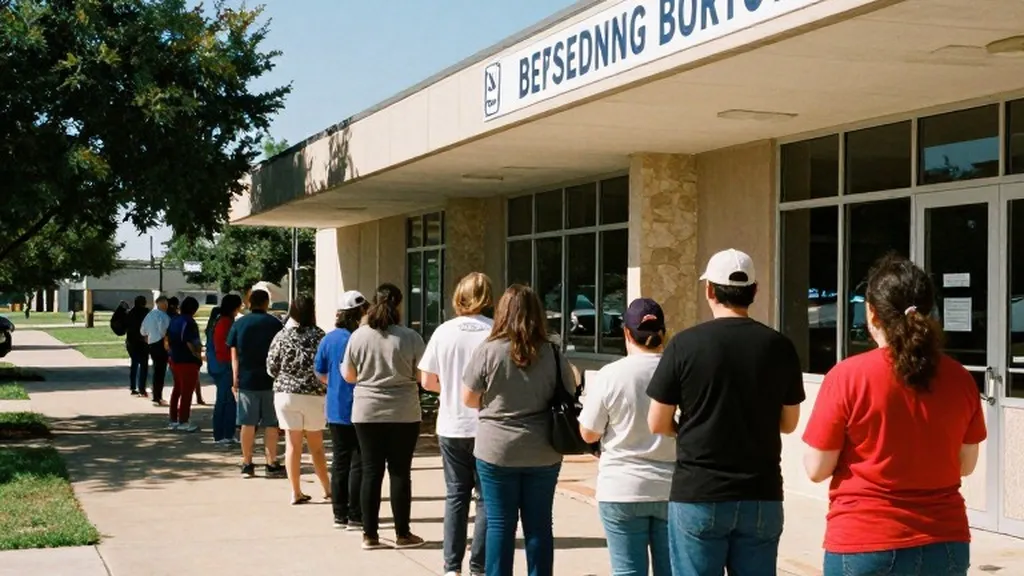
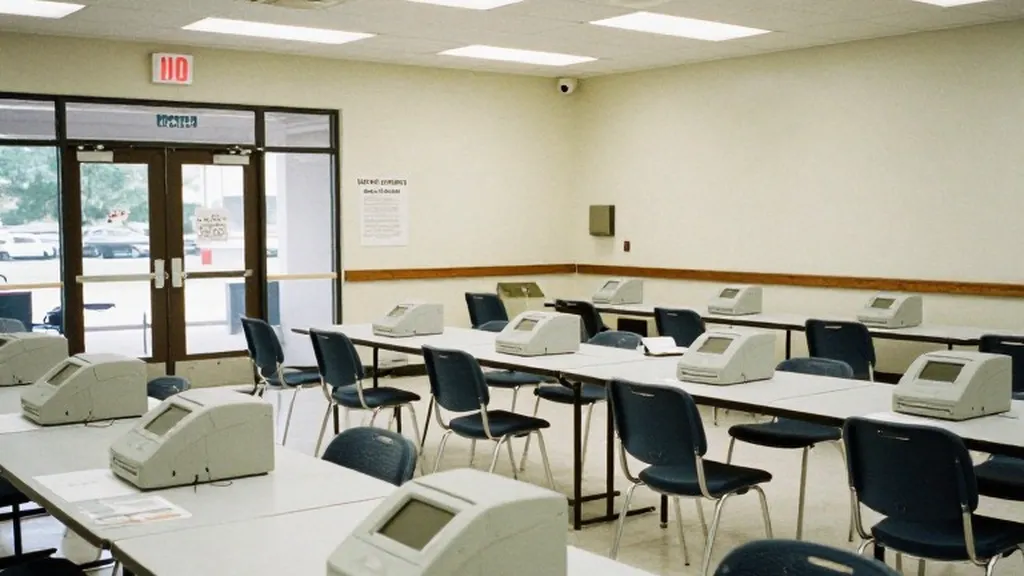
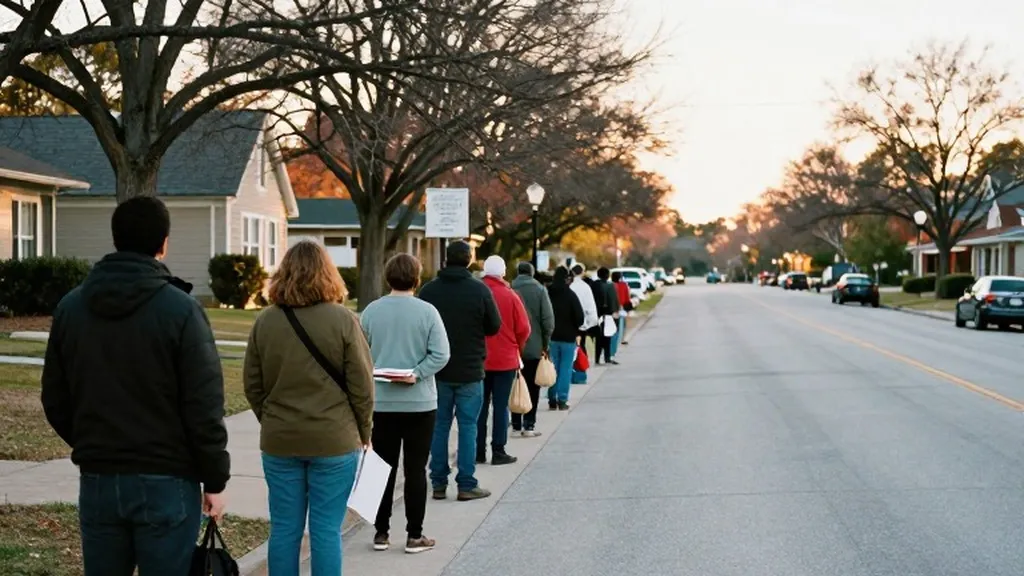
Voters across Dallas County are heading to the polls on Tuesday, November 3, 2026, to cast ballots in a midterm election that will determine the control of Congress for the final two years of President Donald Trump's second term. In Texas, polling places open at 7 a.m. And close at 7 p.m. The state is divided between the Central and Mountain time zones, so voters in different parts of the state may experience slightly different local times, but the statewide window remains consistent. Residents in Dallas, Arlington, Plano, Irving, Garland, and Grand Prairie are participating in a state that uses a new congressional map after mid-decade redistricting, a change that affects the shape of every U.S. House district in the state.
The primary federal contest for Dallas County residents is the U.S. House, where all of the state's seats are on the ballot. Ballotpedia confirms that every U.S. House seat in Texas is up for election. The state's political landscape is currently leaning Republican, with the party holding the majority of seats in the state's congressional delegation. However, the national picture is more competitive. Democrats currently hold 214 seats in the House, while Republicans hold 218. To achieve a majority, Democrats need a net gain of three districts. Republicans can afford to lose no more than two seats. This narrow margin means that the outcome of the election in Texas, a state that voted for Trump in 2024, is critical to the national tally.
Texas is also deciding the next occupant of a U.S. Senate seat. The seat is open, with no incumbent running for re-election. The candidates on the ballot include Republican Attorney General Ken Paxton and Democrat James Talarico. This race is one of the key battlegrounds in the Senate, with the state having voted for Trump by a margin of 13.6 points in 2024. The winner will begin a six-year term on January 3, 2027. The Senate race is part of a broader national fight where Democrats need a net gain of four seats to take control of the chamber, while Republicans can lose only two to maintain their majority of 53 seats.
Statewide, Texans are also voting for governor. Incumbent Republican Governor Greg Abbott is running for another term. The Associated Press describes the Texas governor's race as competitive, noting that Democrats are hoping to hold a majority of governorships for the first time in two decades. The race is part of a national trend where 36 governorships are on the ballot. Republicans currently hold 26 governor's offices, while Democrats hold 24. In the specific context of Texas, the outcome will influence the state's direction in policy and its alignment with the federal government in the coming years.
Voters in the county are casting ballots amid a national mood that the Associated Press describes as a referendum on the president's second term. Polling from the AP-NORC center indicates that 35% of U.S. Adults approve of Trump's job performance, while about seven in 10 say the country is heading in the wrong direction. Many voters cite high prices and an unpopular war with Iran as primary concerns. In Dallas County, these national issues intersect with local concerns about the cost of living, as residents in cities like Plano and Irving navigate their own economic realities while deciding on federal leadership.
The election administration has faced scrutiny this year, with a federal judge temporarily barring the Trump administration from carrying out a plan to prevent noncitizen voting. Critics argue the plan risks disenfranchising eligible voters and infringing on state authority. The U.S. Postal Service has added staff and hours to ensure mail-in ballots are counted on time. These administrative details are part of the backdrop for a vote that many experts believe will be close. One or two seats could tip the control of either chamber, making the turnout in states like Texas decisive.
Money is playing a significant role in this election, which is expected to be the most expensive in history. Republican committees have outraised and outspent Democratic committees, helped by groups affiliated with Trump and Elon Musk. However, at the candidate level, Democrats have outraised their opponents. The AP analysis of AdImpact data shows that 88.1% of Republican general election TV ad spending went to states and districts Trump won in 2024. In Texas, this spending is focused on key House districts and the Senate race, aiming to consolidate support in the state.
Voters are also considering the implications of the election for the future of the presidency. If Democrats win even one chamber of Congress, investigations and possible impeachment proceedings become more likely. House Democratic Leader Hakeem Jeffries has outlined a 100-day agenda focused on the cost of living and oversight, should he become the first Black speaker of the House. A strong Democratic night could also boost the prospects of potential 2028 candidates such as Gavin Newsom, JB Pritzker, and Pete Buttigieg, while complicating the path for Vice President JD Vance. These future implications are part of the broader calculation for voters in Dallas County.
More than 57 million people had already voted as of Monday, surpassing the early vote of four years ago in many closely watched states. This high level of early participation suggests a engaged electorate that is closely following the national news cycle. In Dallas County, the combination of local, state, and federal races means that voters are making multiple decisions on a single ballot. The outcome will shape the legislative agenda for the next two years, with potential impacts on policy areas from healthcare to infrastructure.