Midterm stakes: What control of Congress means for Texas and the nation
With polls open in Dallas County, voters decide who controls Congress for President Trump's final two years, impacting investigations, the 100-day agenda, and 2028 candidates.
By Daphne Turner ·
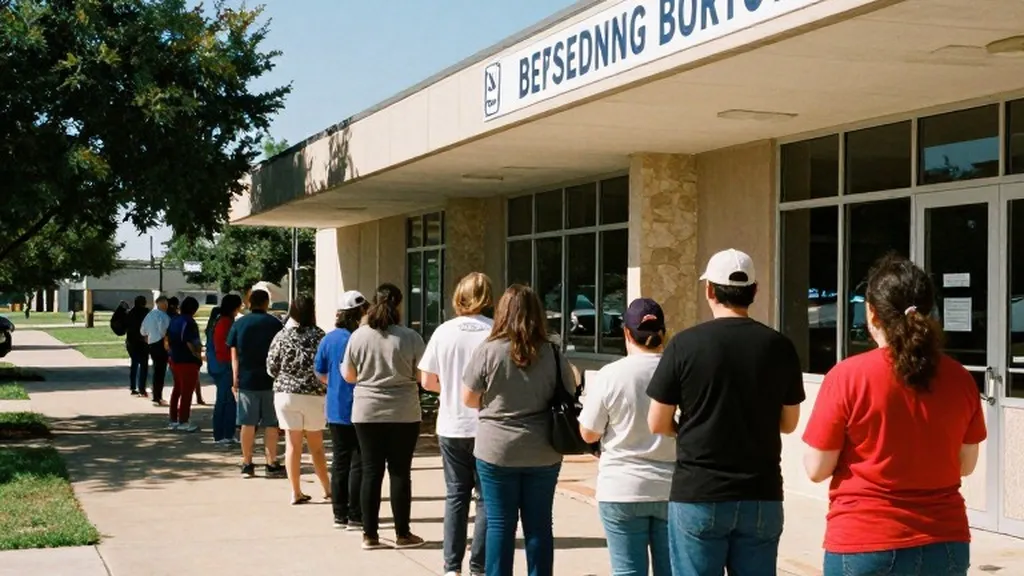
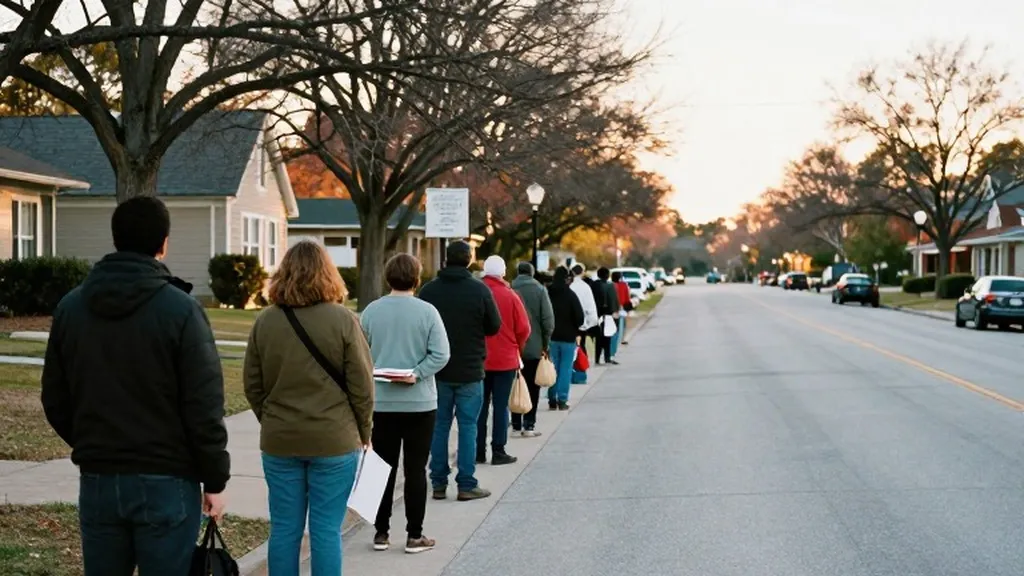
Voters in Dallas County and across Texas began casting ballots at 7 a.m. On Tuesday, November 3, 2026, with polls remaining open until 7 p.m. Local time. Texas is divided between the Central and Mountain time zones, and residents can find their specific polling places at vote.gov. The state is using a new congressional map for this election, a change shared with five other states including California and Florida. In addition to federal offices, Texas voters are deciding on the governorship, where incumbent Republican Greg Abbott is seeking another term, as well as state and local offices. This midterm election is a referendum on President Donald Trump's second term, with many voters expressing frustration over high prices and an unpopular war with Iran.
More than 57 million people had already voted as of Monday, surpassing early vote totals from four years ago in many closely watched states. Republicans are bracing to lose the House while fighting to hold the Senate, whereas Democrats are described as cautiously optimistic. In the U.S. House, all 435 seats are up for election. Republicans currently hold 218 seats, while Democrats hold 214, with one independent and some vacancies. Democrats need a net gain of three districts to secure a majority, whereas Republicans can lose no more than two seats to maintain control. 46 battleground districts are identified, with 25 held by Democrats and 21 by Republicans.
In the U.S. Senate, 35 of the 100 seats are on the ballot, including 33 regular elections and two special elections for the remaining terms of Marco Rubio and JD Vance. Republicans hold 53 seats, Democrats 45, plus two independents who caucus with Democrats. Democrats need a net gain of four seats to take control, while Republicans can lose only two. In Texas, the U.S. Senate seat is open with no incumbent running, as Republican John Cornyn lost the primary runoff. The race features Republican Attorney General Ken Paxton, who received Trump's backing over Cornyn in the primary, against Democrat James Talarico. The Associated Press notes that the Texas race is one of several key Senate battlegrounds, alongside contests in Georgia, Michigan, and North Carolina.
The outcome of these elections will determine who controls Congress for the final two years of Trump's term. If Democrats win even one chamber, investigations and possible impeachment proceedings become likely. House Democratic Leader Hakeem Jeffries has outlined a 100-day agenda focused on the cost of living and oversight if he becomes the first Black speaker of the House. A strong Democratic performance could also boost potential 2028 presidential candidates such as Gavin Newsom, JB Pritzker, and Pete Buttigieg, while potentially complicating the path for Vice President JD Vance. Republicans have attempted to beat the traditional midterm pattern of losing seats by using redistricting, but new districts in states like Florida may not vote as drawn.
Governors are also deciding the balance of power in statehouses, with 36 governorships on the ballot. Heading into the election, Republicans hold 26 governor's offices and Democrats 24. Democrats would need a net gain of two governorships to achieve a nationwide majority, a position Republicans have held since 2010. In Texas, the AP calls the governor's race competitive. Nationally, key governor matchups include Georgia, where Republican Rick Jackson faces Democratic former Atlanta Mayor Keisha Lance Bottoms, and Ohio, where Republican Vivek Ramaswamy competes against Democrat Amy Acton. Democrats hope to hold a majority of governorships for the first time in two decades.
The mood among voters is influenced by economic concerns and political strategy. AP-NORC polling shows that 35 percent of U.S. Adults approve of Trump's job performance, while only 25 percent approve of his handling of the economy. About seven in 10 Americans say the country is heading in the wrong direction, with most blaming Trump for high prices. RNC Chairman Joe Gruters stated that everything depends on turnout, asserting that if they turn out their voters, they will win. In contrast, DCCC Chair Rep. Suzan DelBene said the American people are angry and want change. Voter sentiment in Dallas County mirrors these national trends, with residents paying close attention to the cost of living and healthcare.
Election administration has been a point of contention, with the Trump administration facing legal challenges. A federal judge temporarily barred the administration from carrying out a plan to prevent noncitizen voting, a move critics say risks disenfranchising eligible voters. In California, a judge ordered the administration to stop demanding that election officials segregate ballots cast by people on lists of suspected noncitizens. The U.S. Postal Service added hours and staff to ensure mail ballots are counted on time. Wall Street is also watching the results, as Reuters notes that outcomes could impact investor concerns about AI spending and debt ceiling negotiations.
The 2026 elections are likely to be the most expensive in history. Republican committees outraised and outspent Democratic committees, aided by Trump-affiliated groups and Elon Musk, while Democrats outraised their opponents at the candidate level. Analysis of AdImpact data shows that 88.1 percent of Republican general election TV ad spending went to states and districts Trump won in 2024. This includes more than $850 million spent in areas where he won by 10 points or more. The financial investment reflects the high stakes involved in determining the balance of power for the remainder of the current term.
Residents of Dallas, Arlington, Plano, Irving, Garland, and Grand Prairie are participating in this historic vote, with many citing personal financial impacts as a primary reason for their engagement. The election will decide not only the composition of Congress but also the trajectory of political movements in Texas and the nation. As polls close, the focus shifts to the count, which will reveal whether the midterm pattern holds or if the results surprise the political establishment. The decisions made today will shape the legislative agenda, the investigation landscape, and the candidate field for the next presidential cycle.