Dallas County Voters Decide State and Federal Offices in Midterms
Dallas County voters head to the polls to decide key state offices and federal seats in a high-stakes midterm election.
By Salma Farouk ·
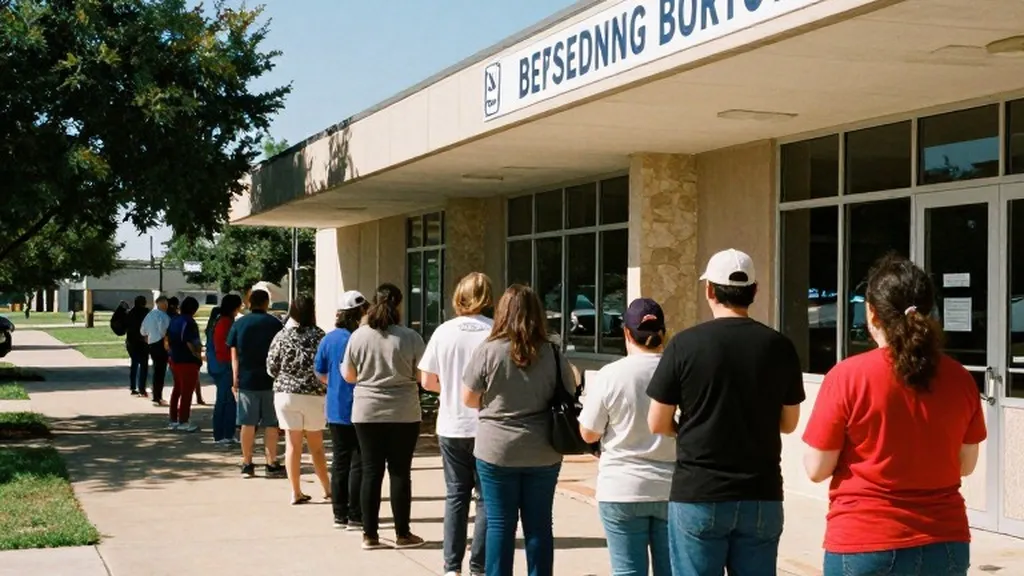
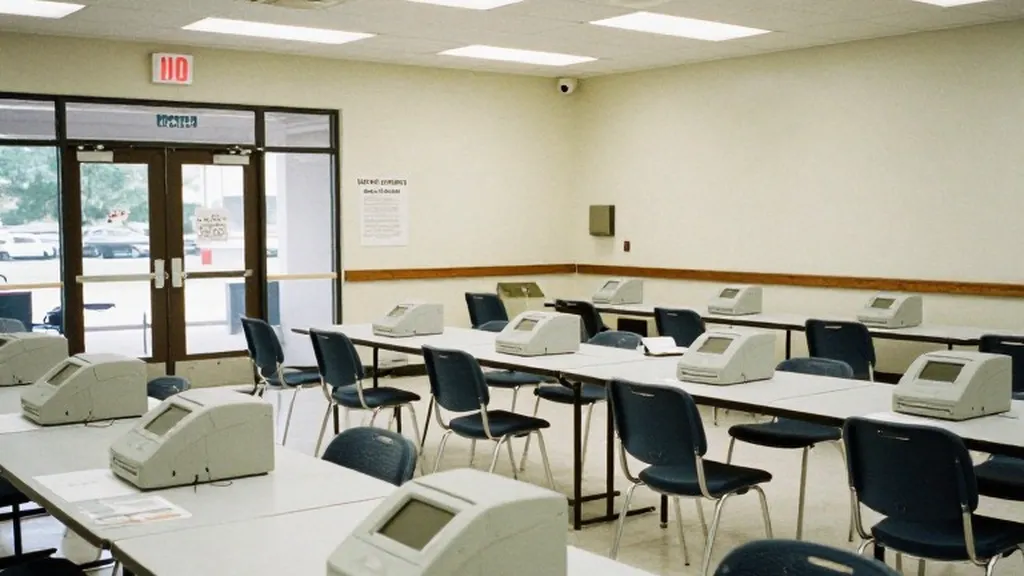
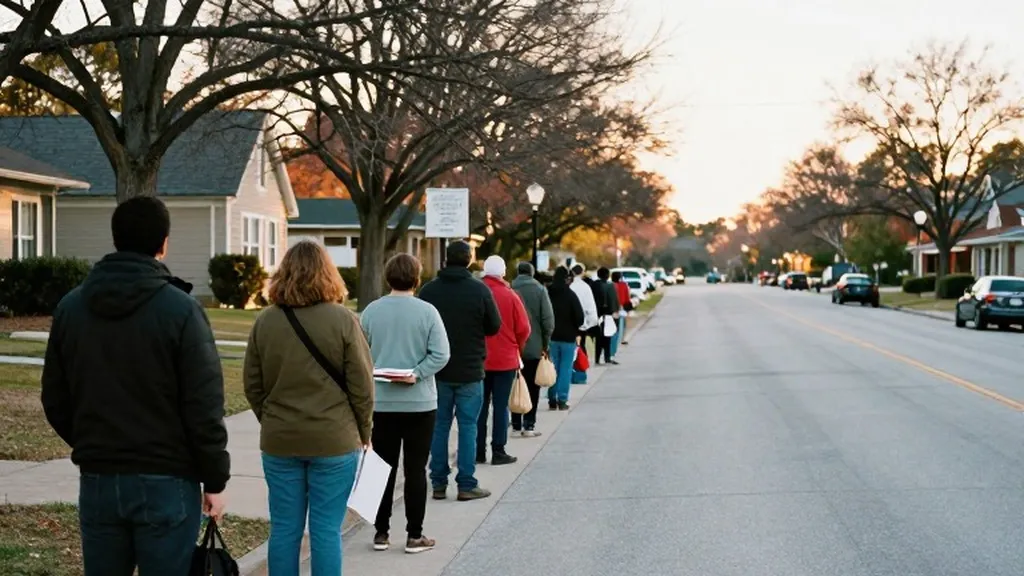
Voters in Dallas County will head to polling places on Tuesday, November 3, 2026, to decide a slate of state and federal offices that will shape local governance for the next several years. Polls in Texas are open from 7 a.m. To 7 p.m. Local time, with the state divided between the Central and Mountain time zones. Residents in Dallas, Arlington, Plano, Irving, Garland, and Grand Prairie can find their specific locations by checking vote.gov or contacting their state election office. Anyone in line when polls close is entitled to cast a ballot, and identification rules vary by state, so voters are advised to verify requirements before arriving.
Beyond the local and state contests, Dallas County voters are participating in the national midterm elections held halfway through President Donald Trump's second term. The Associated Press describes this election as a referendum on the president's performance, with many citizens expressing frustration over high prices and an unpopular war with Iran. AP-NORC polling indicates that 35% of U.S. Adults approve of Trump's job performance, while approximately seven in ten believe the country is heading in the wrong direction. More than 57 million people had already voted as of Monday, surpassing early vote totals from four years ago in many closely watched states.
In Texas, the ballot includes a race for the U.S. Senate to fill an open seat following the primary runoff. Ballotpedia notes that no incumbent is running for this position, creating an open seat race with candidates from the Democratic, Independent, Libertarian, and Republican parties. The Associated Press identifies the matchup as Republican Attorney General Ken Paxton versus Democrat James Talarico. Trump backed Paxton over former Senator John Cornyn in the primary, and the race is considered competitive given the state's political landscape and the national mood.
Governor Greg Abbott, a Republican, is on the ballot for re-election in Texas. Ballotpedia confirms that Abbott is the incumbent running for the office, with other candidates from the Democratic, Independent, and Libertarian parties also on the ballot. The Associated Press highlights Texas as one of the competitive governor races this year, alongside Florida and Iowa. If Democrats secure a nationwide majority of governorships, it would mark the first time they have held such a position since 2010, a shift that would have significant implications for state-level policy and federal relations.
Voters in Dallas County will also decide every U.S. House seat in the state, along with various state and local offices. Ballotpedia lists state Senate, State House, State Supreme Court, and intermediate appellate court races as part of the general election. Additionally, local ballot measures and municipal government elections are on the ballot, varying by county. These local contests are crucial for determining community priorities and funding, and they fit into the broader national picture of a divided government where control of Congress is in play.
Nationally, all 435 U.S. House seats are up for election, with Republicans currently holding 218 seats and Democrats 214. Democrats need a net gain of three districts to secure a majority, while Republicans can lose no more than two seats to maintain their control. There are 46 battleground districts, with 25 currently held by Democrats and 21 by Republicans. 60 House incumbents, including 23 Democrats and 37 Republicans, did not run again, creating open seats that are often more competitive and costly to win.
For the U.S. Senate, 35 seats are on the ballot, including 33 regular elections and two special elections. Republicans hold 53 seats, Democrats 45, and two independents who caucus with the Democrats. Democrats need a net gain of four seats to take control of the Senate, while Republicans can lose only two to maintain their majority. Ballotpedia identifies 13 Senate races as battlegrounds, with key matchups in states such as Georgia, North Carolina, and Ohio. The Associated Press notes that one or two seats could tip the balance of power in either chamber, making these races critical for the future of legislative investigations and oversight.
The election is also being watched closely by Wall Street, as results could impact investor concerns about AI spending and debt ceiling negotiations. The 2026 elections are expected to be the most expensive in history, with Republican committees out-raising and out-spending Democratic committees at the committee level, largely due to support from Trump-affiliated groups and Elon Musk. However, at the candidate level, Democrats out-raised their opponents. An analysis of AdImpact data shows that 88.1% of Republican general election TV ad spending went to states and districts Trump won in 2024, including more than $850 million in areas where he won by 10 points or more.
Voters in Dallas County are casting their ballots in a climate of high engagement and debate. RNC Chairman Joe Gruters stated that everything depends on turnout, emphasizing the importance of mobilizing Republican voters. In contrast, DCCC Chair Rep. Suzan DelBene noted that the American people are angry and want change. Local voters in places like Arlington and Plano are balancing their local concerns with the national narrative, as the outcome of these elections will determine who controls Congress for the final two years of Trump's term and shape the direction of state and local policies in Texas.
The U.S. Postal Service has added hours, staff, and special lines to ensure mail ballots are counted on time, reflecting the high volume of early voting. A federal judge temporarily barred the Trump administration from carrying out a plan to prevent noncitizen voting, a move that critics argue risks disenfranchising eligible voters. The administration also sued in Alaska and California regarding voting procedures, adding a layer of legal complexity to the election process. As polls open across Dallas County, voters are tasked with making decisions that will influence both local services and national policy for the next two to six years.