Dallas County Polls Open at 7 a.m. For Midterm Decisions
Voters in Dallas, Arlington, and other towns face a long ballot featuring a Senate race, a gubernatorial contest, and 38 House districts.
By Salma Farouk ·
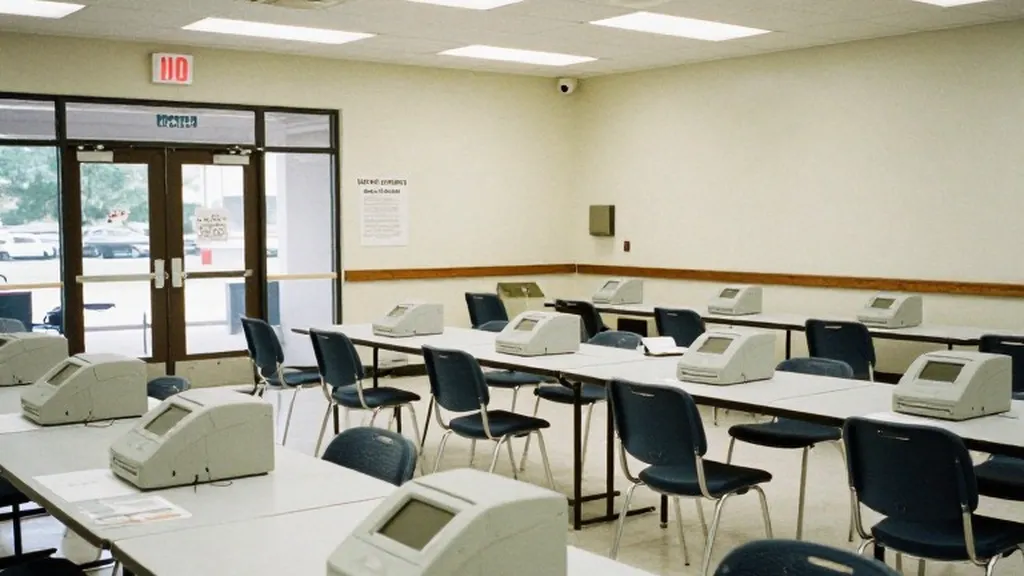
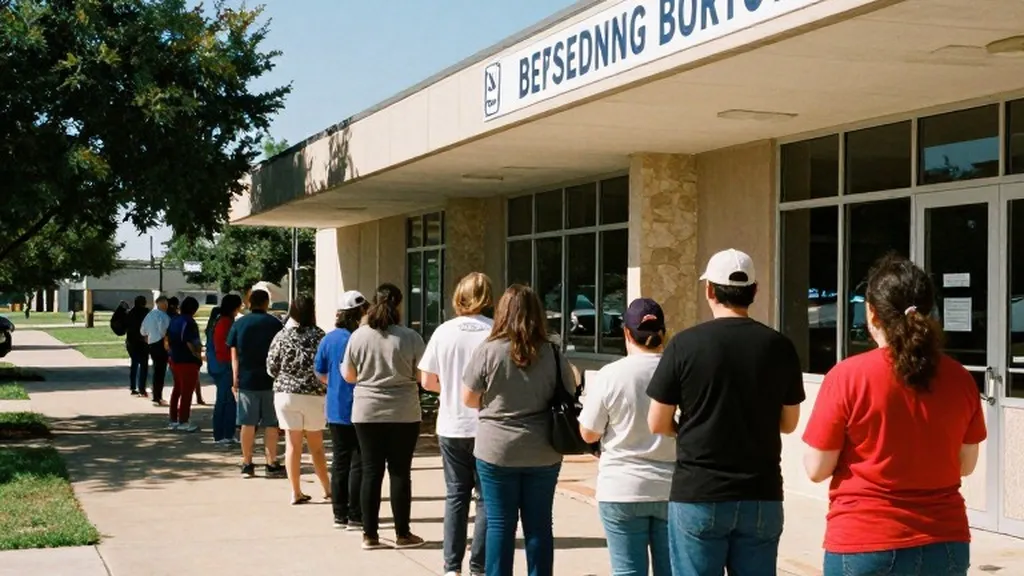
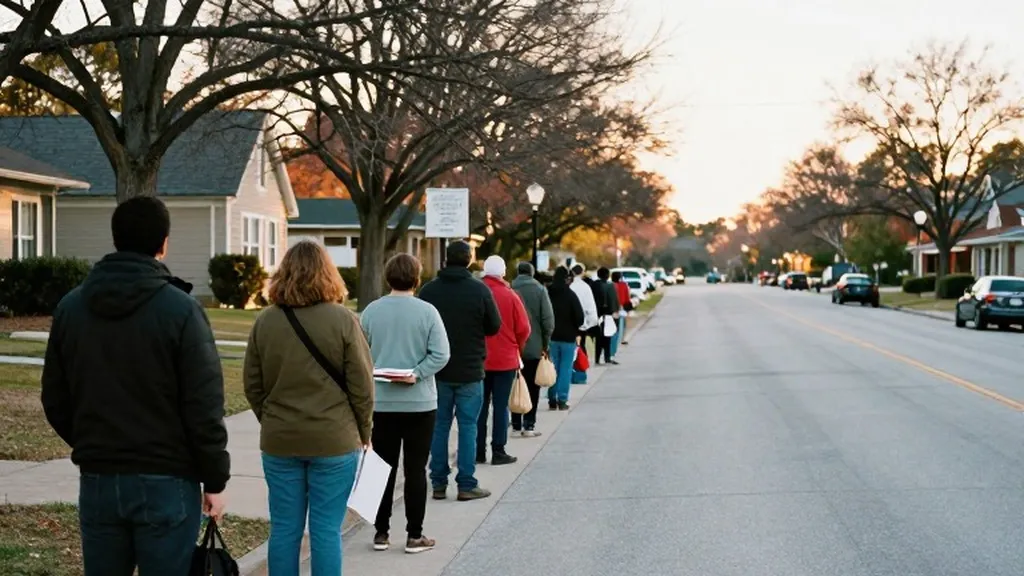
Polls opened at 7 a.m. On Tuesday, November 3, 2026, in Dallas County, Texas, as residents across the region cast ballots in the midterm election. The voting window remains open until 7 p.m., which notes that Texas is divided between the Central and Mountain time zones. Anyone in line when polls close is entitled to vote, a rule that may extend the wait for voters in busy urban centers like Dallas and Fort Worth. The Associated Press describes this election as a referendum on President Donald Trump's second term, with many voters expressing frustration over high prices and an unpopular war with Iran.
Voters in Dallas, Arlington, Plano, Irving, Garland, and Grand Prairie are deciding the composition of the U.S. House of Representatives, where all 435 seats are up for grabs. In Texas, every U.S. House seat is on the ballot, meaning residents will select representatives for 38 districts within the state. Ballotpedia identifies 46 battleground districts nationwide, with 25 held by Democrats and 21 by Republicans. Democrats need a net gain of three districts to secure a majority in the House, while Republicans can afford to lose no more than two seats. Sixty House incumbents, including 23 Democrats and 37 Republicans, did not run again, creating numerous open contests that could shift the balance of power in Washington.
The U.S. Senate race is a focal point for Texas voters, as the state is electing a new senator to fill the seat previously held by John Cornyn. Ballotpedia lists the race as open, with no incumbent running, and notes that the parties on the ballot include the Democratic, Independent, Libertarian, and Republican parties. The Associated Press highlights the matchup between Republican Attorney General Ken Paxton, who received Trump's backing in the primary, and Democrat James Talarico. This race is considered a key battleground, with Trump winning the state by a margin of 13.6 points in 2024. The winner will begin a six-year term on January 3, 2027, and the outcome could determine which party controls the Senate, where Democrats need a net gain of four seats to take the majority.
Texas voters are also choosing their governor, with incumbent Republican Greg Abbott on the ballot alongside candidates from the Democratic, Independent, and Libertarian parties. The Associated Press identifies Texas as a competitive governor race, noting that the state's political landscape has become more contested in recent years. Abbott is seeking re-election in a state that has been a reliable Republican stronghold, though the AP suggests that economic strain and tariff issues have made several states, including Texas, more competitive. The result of this race will determine who leads the state's executive branch for the next four years, a position that holds significant influence over state policy and operations.
Beyond federal and state offices, Dallas County residents are voting on local measures and municipal offices that vary by jurisdiction. Ballotpedia indicates that local ballot measures and municipal government elections are on the ballot in various parts of the state. These local decisions can impact services such as transportation, education, and public safety, which are critical concerns for daily life in the county. The Associated Press notes that more than 57 million people had already voted as of Monday, surpassing early vote totals from four years ago in many closely watched states, suggesting high engagement in local and national races alike.
The national picture is shaped by the desire to determine which party controls Congress for the final two years of Trump's term. The Associated Press reports that Republicans were bracing to lose the House and fighting to hold the Senate, while Democrats were cautiously optimistic. One or two seats could tip either chamber, highlighting the narrow margins that could define the legislative agenda. If Democrats win even one chamber, investigations and possible impeachment proceedings become likely, and House Democratic Leader Hakeem Jeffries would be the first Black speaker, with a 100-day agenda focused on the cost of living and oversight.
Election administration has been a topic of discussion as the day unfolds, with a federal judge temporarily barring the Trump administration from carrying out a plan to prevent noncitizen voting. Critics argue this move risks disenfranchising eligible voters and infringes on states' authority over elections, a concern that is particularly relevant in diverse counties like Dallas. The U.S. Postal Service has added hours, staff, and special lines to ensure mail ballots are counted on time, although Texas voting is primarily conducted in person. The Associated Press notes that Trump has continued to make claims about voting fraud, including that noncitizens vote in large numbers, which has led to lawsuits in Alaska and California.
Financially, the 2026 elections are likely to be the most expensive in history, with Republican committees outraising and outspending Democratic committees at the committee level. However, at the candidate level, Democrats have outraised their opponents. Eighty-eight.1% of Republican general election TV ad spending went to states and districts Trump won in 2024, including more than $850 million in areas where he won by 10 points or more. This spending strategy reflects the focus on consolidating support in Republican-leaning areas while also contesting key battlegrounds that could determine the balance of power in Congress.
Voters in Dallas County are navigating a complex ballot with high stakes for both local and national governance. The Associated Press quotes RNC Chairman Joe Gruters, who said, "Everything depends on turnout. If we turn out our voters, we win, and that's what we've been planning for." In contrast, DCCC Chair Rep. Suzan DelBene stated, "The American people are angry. They want change." These statements reflect the competing narratives that have driven the campaign, with voters in Texas balancing their views on the economy, foreign policy, and local issues as they cast their ballots.