Texas voters decide Abbott's fate as national governor races split evenly
With polls open from 7 a.m. To 7 p.m., Dallas County residents cast ballots in a state where the governor's office is up for grabs and the national picture shows a perfect partisan balance among the 36 governor races.
By Adrian Parker ·
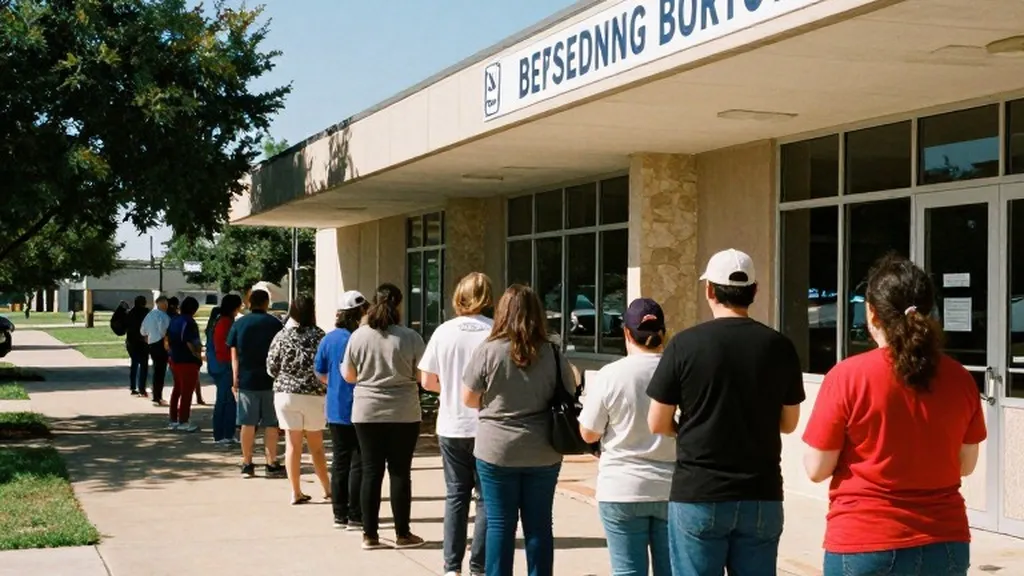
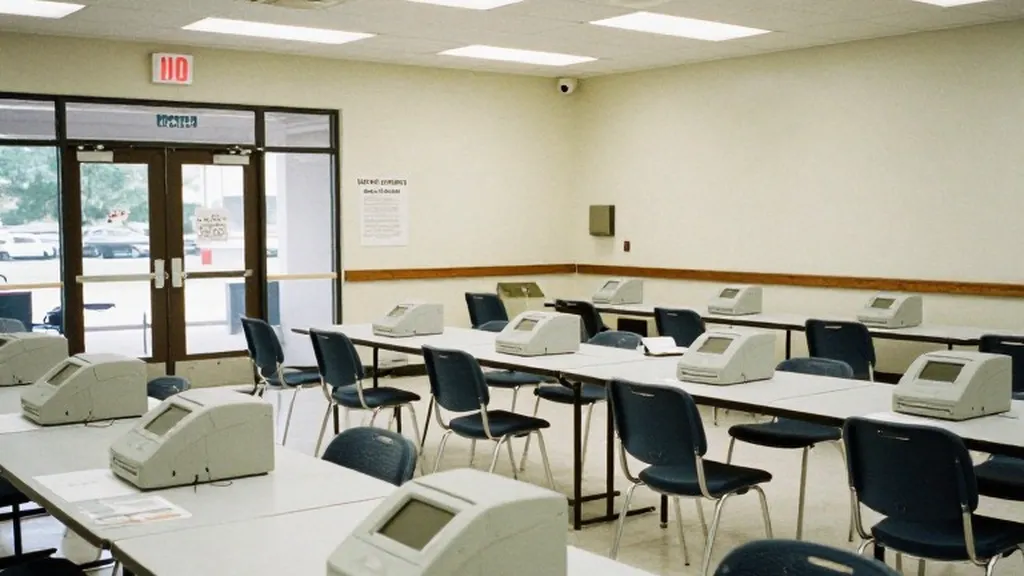
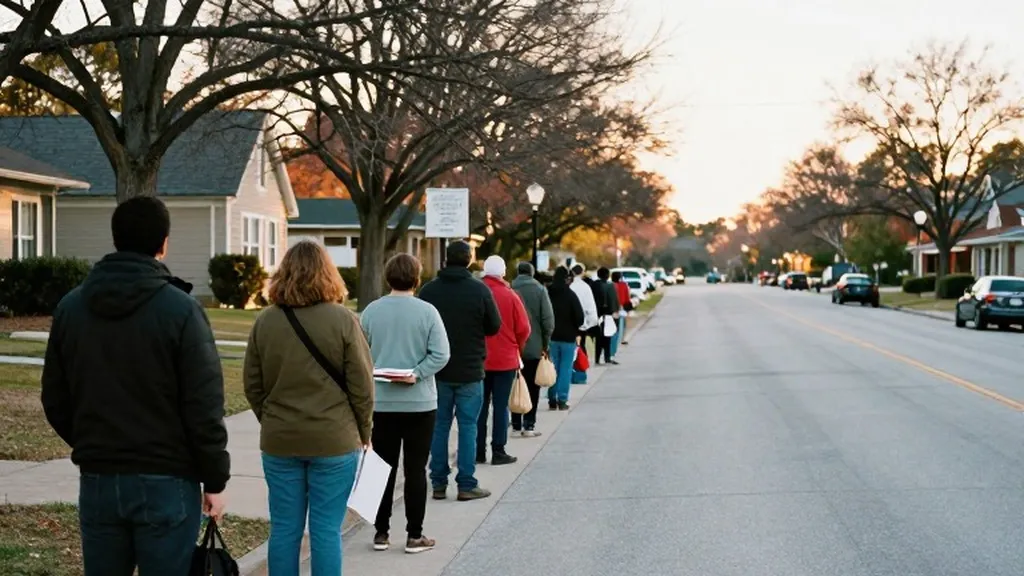
Polls across Dallas County, Texas, opened at 7 a.m. And will remain open until 7 p.m. On Tuesday, November 3, 2026. Voters in Dallas, Arlington, Plano, Irving, Garland, and Grand Prairie are heading to the polls to select their state and federal representatives. The state is divided between the Central and Mountain time zones, but the statewide polling hours remain consistent for this general election. Residents can find their specific polling places at vote.gov or through their local state election office. ID rules vary by state, so voters are advised to check their state's specific requirements before arriving at the polling location. The day marks the midterm election, occurring halfway through President Donald Trump's second term.
In Texas, the race for governor is a central focus, with incumbent Republican Greg Abbott seeking reelection. The Associated Press identifies Texas as a competitive governor race, alongside Florida and Iowa. Voters in the state are also deciding the U.S. Senate seat, which is an open contest because Senator John Cornyn did not run again after losing the primary runoff. The parties on the ballot for both offices include the Democratic, Independent, Libertarian, and Republican parties. Additionally, every U.S. House seat in the state is on the ballot, alongside state and local offices and various measures that vary by county. This comprehensive ballot reflects the significant stakes of the midterm cycle for the state.
Nationally, the 2026 elections feature 36 governorships on the ballot, creating a unique partisan balance. Heading into Election Day, Republicans hold 26 governor's offices and Democrats hold 24. Among the specific races on the ballot today, each party currently holds 18 of the contested seats. This 18 to 18 split means that the outcome of these races will determine which party holds the majority of governorships nationwide. Democrats would need a net gain of two governorships to secure a majority, a position Republicans have held since 2010. The Associated Press notes that Democrats hope to hold a majority of governorships for the first time in two decades if they can make these gains.
Of the 36 races, 19 are open seats with no incumbent on the ballot. 15 governors are term-limited, forcing a new selection. Additionally, Iowa's Kim Reynolds, Minnesota's Tim Walz, and Wisconsin's Tony Evers chose not to run for reelection. Rhode Island's Daniel McKee lost his primary, leaving another seat open. These 19 open races represent a significant opportunity for voters to change leadership in their states. The remaining 17 races feature incumbents seeking to retain their offices. This mix of open and contested seats creates a diverse landscape for voters to navigate as they make their decisions.
Ballotpedia has identified nine battleground states for the governor's race: Alaska, Arizona, Georgia, Iowa, Kansas, Michigan, Nevada, Ohio, and Wisconsin. In these states, the outcome is considered too close to call. Democrats are defending five governorships in states that Trump won in the 2024 presidential election: Arizona, Kansas, Michigan, Pennsylvania, and Wisconsin. Republicans are defending two governorships in states that Kamala Harris won in 2024: New Hampshire and Vermont. The Associated Press highlights specific matchups in these races, such as in Georgia where Republican health care executive Rick Jackson faces Democratic former Atlanta Mayor Keisha Lance Bottoms. In Nevada, Republican Governor Joe Lombardo is running against Democratic Attorney General Aaron Ford.
The national mood for this election is characterized by a focus on economic issues and a referendum on the current presidential administration. The Associated Press describes the election as a referendum on Trump's second term, with voters struggling with high prices and expressing anger over an unpopular war with Iran. AP-NORC polling indicates that 35 percent of U.S. Adults approve of Trump's job performance, while only 25 percent approve of his handling of the economy. About seven in 10 Americans say the country is heading in the wrong direction, with most blaming the president for high prices. More than 57 million people had already voted as of Monday, surpassing the early vote totals of four years ago in many closely watched states.
Political parties are preparing for the outcomes with cautious optimism and strategic planning. Republicans were bracing to lose the House and are fighting to hold the Senate, with the Associated Press noting that one or two seats could tip either chamber. Democrats are described as cautiously optimistic about their prospects. RNC Chairman Joe Gruters stated that everything depends on turnout, emphasizing the importance of getting Republican voters to the polls. Conversely, DCCC Chair Rep. Suzan DelBene said the American people are angry and want change. Voter Mark Barker of Palm Beach Gardens, Florida, expressed support for the president, while James Moore, a librarian in Raleigh, North Carolina, cited rising taxes and healthcare costs as key factors in his vote.
The election administration has faced several legal and logistical challenges in the days leading up to Tuesday. A federal judge temporarily barred the Trump administration from carrying out a plan intended to prevent noncitizen voting, a move critics said risked disenfranchising eligible voters. Another judge ordered the administration to stop demanding that California election officials segregate ballots cast by people on lists of suspected noncitizens. The U.S. Postal Service added hours, staff, and special lines to ensure mail ballots are counted on time. These administrative efforts are critical as the country moves to finalize the results of the most expensive election in history, with Republican committees outraising and outspending Democratic committees at the committee level, although Democrats outraised their opponents at the candidate level.