Fuel prices could stay high for months even if Iran war ends
A barrel of Brent crude cost about $70 in late February, but analysts say the path back to prewar levels involves complex logistics and political hurdles.
By Daphne Turner ·
A barrel of Brent crude cost about $70 in late February. That price spent months hovering near the $110 mark and currently sits close to $95. The war in Iran throttled the Strait of Hormuz, a waterway that previously carried about one fifth of the world's oil. That disruption drove up the cost of every product refined from crude.
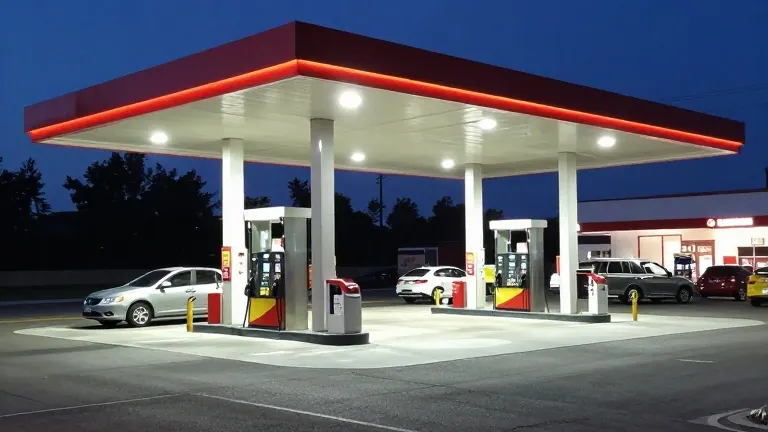
Drivers feel the impact directly. A gallon of gas averages $4.12, which is roughly $1 higher than a year ago. Diesel hit a record high of $6.52 in September. Although that figure has dipped slightly, a gallon still costs about $2.50 more than it did at this time last year, according to AAA data. These soaring prices helped major oil companies post large profits in the past two quarters while raising costs for trucking and goods nationwide.
Voter anger over these numbers helped fuel the Democratic sweep in the midterms. However, experts caution that lower pump prices will not arrive immediately. Members of the new Congress will not be sworn in until January. Until then, U.S. legislators have limited direct power over oil prices, which are dictated by a complex global market.
In the run-up to the election, President Trump tried to ease costs by loosening rules on dyed diesel and temporarily lifting sanctions on Russian diesel imports. Neither measure moved prices much. Now, Democrats plan to use their new majority to pressure the White House. Senate Minority Leader Chuck Schumer told reporters on Wednesday that Democrats intend to end the war and reduce the cost of living, stating that relief is on the way.
Claudio Galimberti, chief economist at Rystad Energy, wrote that a unified Democratic Congress can make escalation more costly. He noted that both chambers can pass resolutions and hold back confirmations of key officials. Yet Jorge León, head of geopolitical analysis at Rystad Energy, pointed out that Trump retains full discretionary authority over military strikes, blockades, and licenses.
Trump has sent mixed signals. He warned Gulf Arab countries of a new campaign after the midterms and the U.S. struck Qeshm island on Nov. 2. Conversely, he told The New York Times on election night that he knew voters were unhappy about gas prices. Vice President JD Vance posted on social media the next day that the reason the party lost was the war.
If a deal to end the war is reached, Jaime Brito, executive director of refining and oil markets for Dow Jones Energy, said crude prices could drop $15 or $20 a barrel within two or three days. That quick shift assumes traders see formal announcements from Iran and the U.S. that the strait is reopening and military presence is pulling back.
For gasoline and diesel prices to fall, oil must start moving again. Ships currently taking long alternative routes to avoid the Strait of Hormuz would need to return to their origins and resume normal transit. León warned that this could lead to traffic jams in the waterway. That crude still needs to be refined and delivered to the market. In the most optimistic scenario, Brito said it could take three months for prices to hit prewar levels. León estimates it will take six months for crude to normalize, with gasoline and diesel following a month or two later. Both analysts noted that hiccups could stretch the recovery timeline to a year.
Other factors complicate the picture. Ukraine continues attacking Russian refineries, which supply much of the world's diesel. Resuming Hormuz traffic will help, but diesel may take longer to reach prewar levels than gasoline. U.S. refineries are running above 90% capacity, leaving little room for emergency maintenance. Freight and insurance costs for shipping oil have also risen because ships must take longer, riskier routes around the strait. Brito wrote that expensive gasoline could become a new normal. For any hope of a return to normal prices, he noted, the market needs to see a definitive end of the conflict.
More Business · Business Complaints · Report a business · Got a Story?