Supreme Court Finalizes End to Administrative Closures in Immigration Courts
The high court rejected a bid to pause a Texas ruling that stripped judges of the power to pause deportation cases while applicants seek other benefits.
By Daphne Turner ·
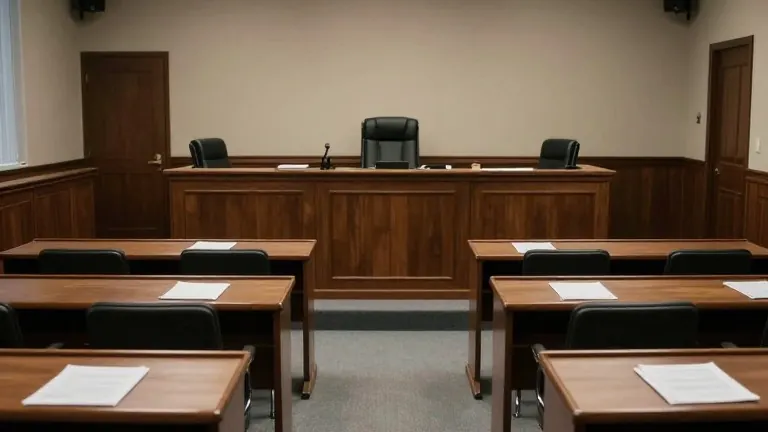
The Supreme Court has permanently ended the practice of administrative closures in federal immigration courts across the United States. This week, the high court denied a request from three cities and one legal defense organization to pause a federal agreement that invalidated the procedure. The decision confirms a nationwide ban on the practice, removing a key procedural tool from immigration judges.
The administrative closure process allowed judges to temporarily pause active deportation cases. This pause did not grant legal status or permanent residency. Instead, it gave individuals time to process other immigration benefits outside of court. These benefits typically included applications filed with the U.S. Citizenship and Immigration Services. Common scenarios for these pauses included family-sponsored petitions, U visa applications for crime victims, T visas for trafficking victims, and VAWA self-petitions for domestic violence survivors.
The legal fight began when the state of Texas filed a lawsuit to prohibit the use of administrative closures. In June 2026, a federal court in Texas ruled in favor of the state. The court’s decision was reached after Texas reached an agreement with the Department of Justice to seek a favorable judgment. This ruling effectively stripped immigration judges of the authority to grant these pauses. The procedure no longer exists as a formal rule that judges can apply.
The cities and the legal organization hoped the Supreme Court would suspend the agreement while they argued their case. They sought to keep the old practices alive during the review period. The high court’s rejection of that request means the Texas ruling stands as the final authority. Immigration judges can no longer pause cases for the purposes previously outlined in the administrative closure framework.
Immigration attorneys warn that cases already paused under the old rules are now vulnerable. Ezequiel Hernández, an immigration lawyer, stated that the Department of Homeland Security or the immigration court can return any administratively closed case to the active docket at any time. Previously, when a motion to restart a case arrived, judges gave applicants 10 days to argue why the pause should remain. That window for defense is now gone.
Hernández noted that individuals who relied on administrative closures may find it difficult to preserve that status. He said many people did not pursue alternative legal options because they felt secure with the pause in place. He advised those in this situation to check their case status immediately using their A-number in the EOIR online system.
Those whose cases have been reopened should contact the attorney who originally paused the case. They need to determine if the court has requested a motion to place the case on the active calendar. If the case is open and a motion has arrived, applicants must prepare for proceedings. Some individuals may still qualify for cancellation of removal, but the procedural landscape has shifted significantly for those waiting on other benefits.
More Politics · Dallas news · Report a business · Got a Story?