D.C. and Virginia sue to stop Trump's Potomac River arch
Federal Judge Tanya Chutkan consolidated the new lawsuit with an existing case as the administration moves for final project approval this week.
By Adrian Parker ·
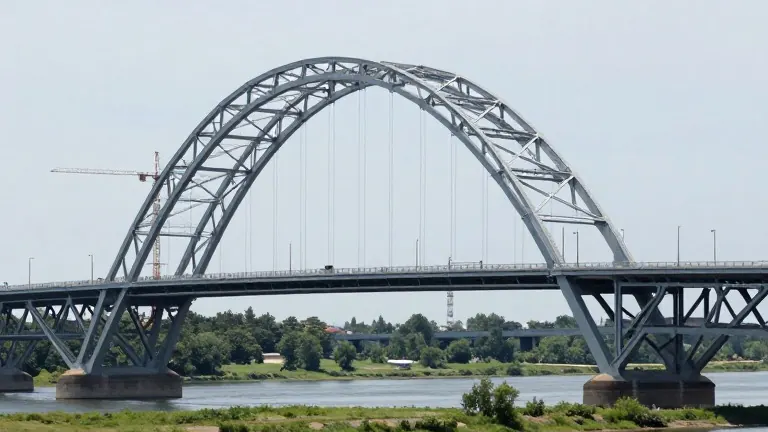
The District of Columbia and the Commonwealth of Virginia filed a federal lawsuit on Saturday to halt construction of a proposed memorial arch near the Arlington Memorial Bridge. The two jurisdictions argue that the project will disrupt traffic and damage the environment along the Potomac River. Their complaint seeks a temporary restraining order to stop work before it begins.
Federal District Judge Tanya Chutkan consolidated the new complaint with an existing case she is already overseeing. She ordered a joint schedule for legal filings in both matters. Chutkan has indicated she will move quickly on a request for a preliminary injunction.
The arch would rise 250 feet from a grassy area next to the bridge that connects Washington to the Arlington National Cemetery. That height would make the structure 100 feet taller than the Statue of Liberty, measured from base to torch tip. The design includes a 12-story tower featuring a bronze statue of a winged Lady Liberty holding an eternal flame.
The plan also calls for an observation deck, a walkable rooftop, and two mezzanine levels. Inside, the structure would contain program spaces, offices, a staff break room, spiral staircases, elevators, and a fire command center. The administration says the arch will serve a national security function and include traffic changes such as vehicle diversions on nearby roads.
Virginia Attorney General Jay Jones and D.C. Attorney General Brian Schwalb filed the complaint on behalf of their respective jurisdictions. They stated that starting construction would cause irreparable harm to both areas. The site sits in the middle of a major roadway between the two jurisdictions and on an island extending into the Potomac.
The attorneys argued that three years of construction would inevitably congest traffic between the jurisdictions. They also cited expected pollution, stormwater runoff into the river, and interference with emergency services. The lawsuit notes that the region relies on joint emergency operations, pointing to the January 2025 midair collision between a military helicopter and a commercial plane that killed 67 people.
The Trump administration filed a 106-page plan for the arch on Friday. In that filing, the government said it intended to request final project approval at the National Capital Planning Commission meeting on Thursday. Officials suggested construction could begin that same day despite the pending lawsuits. The administration described the project as one of Trump’s favorites and a top priority.
President Donald Trump spoke about the arch at a Halloween party at his Mar-a-Lago estate in Florida on Saturday night. He called the project militarily important for Washington and the country. He also said it would be the most beautiful arch ever built. Trump stated that the region needs the structure for military and aesthetic reasons, regardless of which state is involved.
White House spokesperson Davis Ingle defended the project in an email. He said the Triumphal Arch in Memorial Circle would become one of the most iconic monuments in Washington and the world. Ingle described it as a gateway to Arlington National Cemetery for veterans, families of the fallen, and all Americans. He called it a visual reminder of noble sacrifices made over 250 years of history.
These legal challenges are part of a larger push by Trump to transform the capital quickly. Judge Ana Reyes announced on Friday that she will open a formal investigation into whether federal prosecutors violated ethical limits during a dispute over the East Potomac Golf Link project. Trump wants the public course remodeled to host professional tournaments. In a separate matter, Judge Christopher Cooper will hold a hearing on Tuesday regarding a motion by Rep. Joyce Beatty. Beatty is seeking disclosure of communications between Kennedy Center leadership and administration officials. The government has cited executive privilege to withhold those records. Beatty also filed a separate suit arguing the government hid information from trustees, including a construction manager’s analysis that showed the center’s closure was unnecessary. The current court order requires the removal of Trump’s name from the center, which was added in December.