435 House Seats, 33 Senate Seats and 36 Governorships on the Nov. 3 Ballot
Texas voters will choose between state Attorney General Ken Paxton and James Talarico for a U.S. Senate seat.
By Sergio Ramirez ·

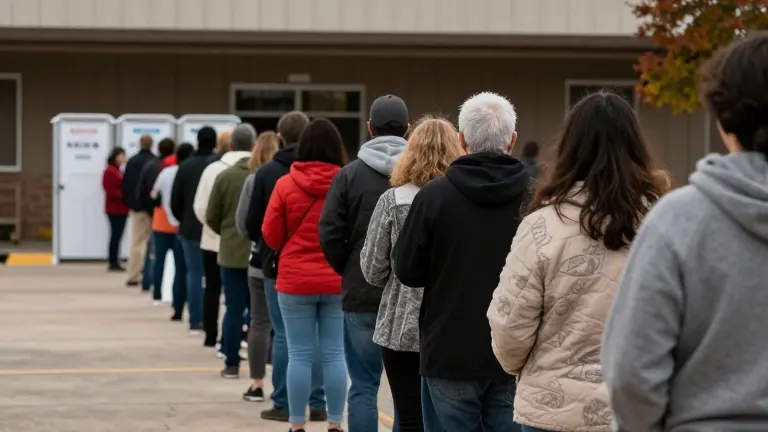
Voters across Dallas County head to the polls for a midterm ballot carrying 435 U.S. House seats, 33 U.S. Senate seats plus two special Senate elections, and 36 governorships. Thousands of local offices are also on the ballot Nov. 3.
The Senate races drawing the closest attention include Texas, where Republican Attorney General Ken Paxton faces Democrat James Talarico. A Democratic win would give Texas its first Democratic U.S. senator since 1993. In Ohio, former Democratic Senator Sherrod Brown is running to return to the seat vacated by JD Vance, who became vice president; he faces Republican Jon Husted. In Alaska, Democrat Mary Peltola is competing for the seat held by Senator Dan Sullivan, with another Republican candidate also named Dan Sullivan on the ballot.
Other closely watched Senate contests include Iowa, where former Paralympic athlete Josh Turek faces Representative Ashley Hinson for the seat Joni Ernst will leave; Georgia, where Senator Jon Ossoff faces Republican Mike Collins; and North Carolina, where former Democratic Governor Roy Cooper competes with Republican Michael Whatley. In Michigan, Democrat Abdul El-Sayed would become the first Muslim senator if he defeats Republican Mike Rogers. Florida's open seat, vacated by Marco Rubio when he became Secretary of State, is contested by Ashley Moody for the Republicans and Angie Nixon for the Democratic Socialists. New Hampshire features former Republican senator versus Democratic Representative Chris Pappas, and Maine's seat held by Republican Susan Collins is considered winnable by Democrats.
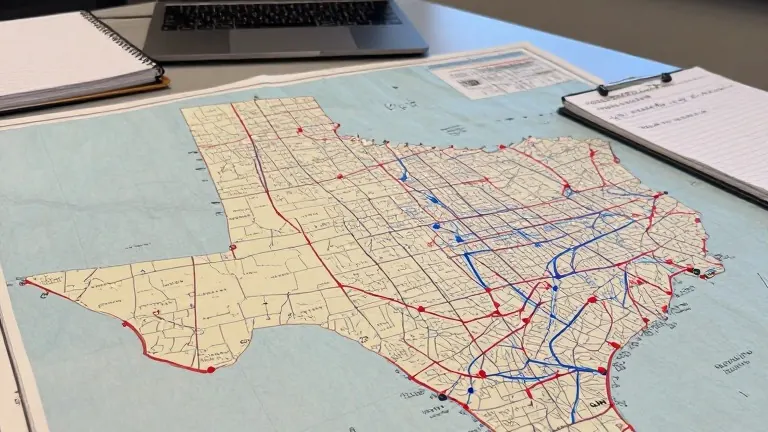
In the House, districts near the Mexican border across California, Arizona, New Mexico and Texas are in play, along with three of Iowa's four districts. Competitive seats also appear in the central and northern valleys of California, the district containing Omaha, Nebraska, and suburbs around Phoenix, Denver, Austin, Dallas, Houston, San Antonio and Miami. Districts in southern Washington, Wisconsin, Michigan, Ohio, Pennsylvania, New York, North Carolina and Maine are also contested, and nine states have new electoral maps.
Thirty-six governorships are on the ballot. Republican Joe Lombardo is seeking reelection in Nevada. Alaska's governor's race is considered competitive for Democrats, while Kansas could shift from Democratic to Republican control. Iowa could elect its first Democratic governor in 20 years, Ohio's race is open with a Republican governor leaving, and Georgia features a close contest between former Atlanta mayor, a Democrat, and a health care business executive. Arizona, Texas, Wisconsin and Florida also have governor's races on the ballot.
Polling and models point toward Democratic gains, though the size of any shift is not yet known. Voter sentiment reflects dissatisfaction with the economy, inflation tied to tariffs, health care and insurance costs, Middle East conflicts, gasoline and diesel prices, and immigration enforcement operations.
The campaign has also produced a record number of incumbent representatives and senators who announced retirements or decisions not to seek reelection in order to run for other offices, along with governors reaching term limits set by state law.
In House races, most districts are expected to reelect their representatives. The contests that remain competitive include districts along the U.S.-Mexico border, three of Iowa's four congressional districts, the central and northern California valleys, the Omaha district, suburbs around Phoenix, Denver, Austin, Dallas, Houston, San Antonio and Miami, and districts in Washington, Wisconsin, Michigan, Ohio, Pennsylvania, New York, North Carolina and Maine.
Nevada Republican Governor Joe Lombardo is running for reelection after defeating Democrat Steve Sisolak four years ago. Kansas has a Democratic governor and could flip to Republicans. Iowa has not elected a Democratic governor in 20 years. Ohio's governorship is open. Georgia's race is close between a former Atlanta mayor and a health care executive. Arizona, Texas, Wisconsin and Florida also have governor's elections, but those races are not considered at risk for the party currently holding the office.
Polls and models point to Democratic gains, but the size of any shift remains unknown. Public dissatisfaction covers the economy, inflation tied to tariffs, health care and medical insurance costs, Middle East conflicts, gasoline and diesel prices, and immigration enforcement operations.
The campaign has also produced the largest number of sitting representatives and senators to announce retirements or decisions not to seek reelection in order to run for other offices. Governors limited by state law to a set number of terms are also leaving their posts.
More Politics · Dallas news · Report a business · Got a Story?