Judge delays ruling on James Comey leak case as prosecutors seek new grand jury indictment
Federal Judge Trevor McFadden paused a decision on dismissing an information filed against the former FBI director, giving the Justice Department a narrow window to pursue charges on a 2016 media leak.
By Sergio Ramirez ·
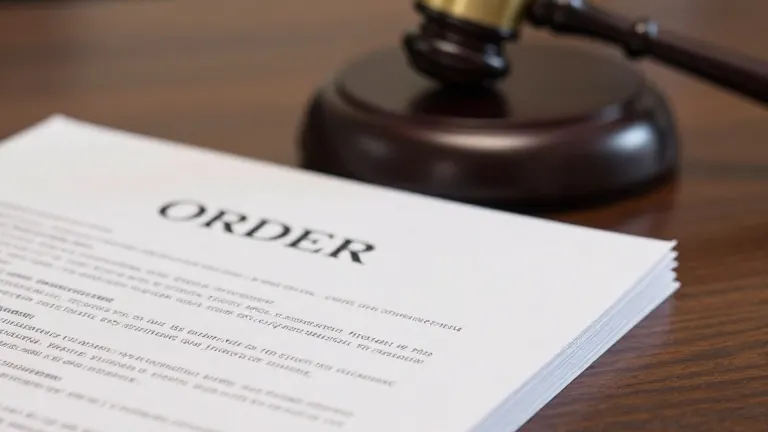
A federal judge in Dallas County paused a ruling on the dismissal of a criminal information filed against former FBI Director James Comey on Friday. The delay gives the Department of Justice a final opportunity to seek a grand jury indictment for a leak of classified information that occurred in 2016, a decade before the current legal action.
District Judge Trevor McFadden, a Trump nominee, noted that an indictment is not guaranteed in Washington, where grand juries have frequently rejected charges in politically sensitive cases. He told the court that he would be "extremely frustrated" if the government executed a dawn raid to arrest Comey before an indictment was secured, a concern raised by defense attorneys.
Prosecutors filed the information just as the 10-year statute of limitations was about to expire. The document is typically used when a defendant waives the right to a grand jury indictment and intends to plead guilty, but Comey has not waived that right and is actively contesting the charges. His lawyers argue that the statute of limitations has already run and that the information is legally invalid.
Ephraim McDowell, one of Comey’s attorneys, stated that the information has expired and must be dismissed. He described leaving the case pending as an "unfair and inequitable" outcome, arguing that Comey would remain in legal limbo under the threat of an indictment despite the expiration of the statute of limitations.
Assistant U.S. Attorney Dustin Farahnak told the court that it was premature to issue a ruling while the grand jury continues its review. He indicated that the evidence presented to the grand jury refers to activities after October 2016, which would fall within the statute of limitations. Farahnak acknowledged that the grand jury may or may not return an indictment.
The underlying case involves a New York Times article from October 2016 about a secret court order requiring Yahoo to scan emails for messages linked to a foreign terror organization. Prosecutors claim Comey attempted to correct erroneous information the day before the article published. They allege he ordered staff to contact a reporter regarding accuracy concerns, thereby illegally transferring classified information.
Federal investigators began looking into the leak in early 2017. John Durham, who later investigated the FBI’s Russia probe, drafted a classified memo in 2018 recommending against charging anyone. A second investigation opened in 2019 under the codename "Vortex Tropical" closed without charges in early 2020. This is the third criminal case against Comey, who maintains his innocence.
More Politics · Dallas news · Report a business · Got a Story?