Netanyahu Faces Weeks of Talks After Israeli Election Deadlock
With 78% turnout, Likud holds 20.8% of votes but lacks a majority as rivals weigh alliances with Arab parties.
By Daphne Turner ·
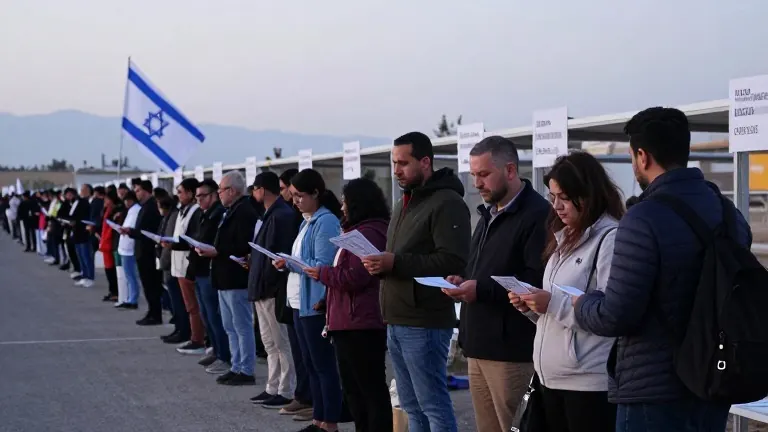
Nearly 78 percent of eligible voters cast ballots in Israel’s general election, the highest participation rate since 1999. The high turnout did not produce a clear winner. Instead, Prime Minister Benjamin Netanyahu and his opponents now face weeks of negotiations to form a government.
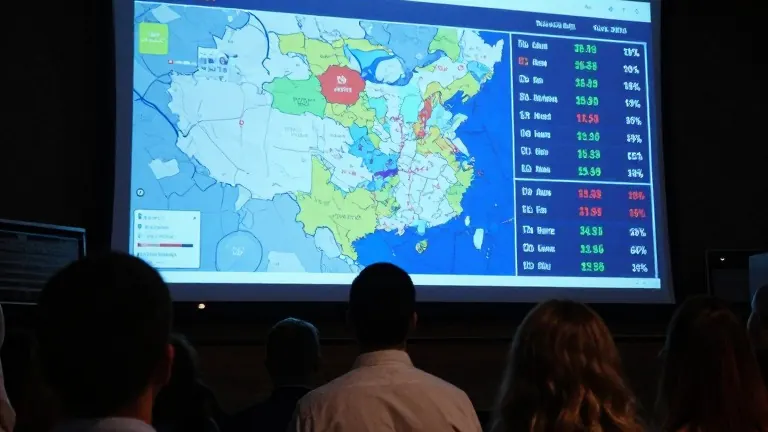
With 85 percent of votes counted, Netanyahu’s Likud party secured 20.8 percent of the total. Gadi Eisenkot’s centrist Yashar party received 16.1 percent. Arab-led parties captured 14.9 percent. Local media projections indicated that Likud and its allies would hold 53 seats. Yashar and its allies would hold 48 seats. Arab-led parties would hold 19 seats. No bloc reached the 61 seats required for a majority in the 120-seat Knesset.
Final results are expected by the end of the week. These will include approximately 500,000 mail-in votes from military and diplomatic personnel. The vote reflected frustration with Netanyahu’s alliance with the far right and anger over the exemption of ultra-Orthodox Jews from mandatory military service. Likud’s share of the vote dropped from 23.4 percent in 2022.
Netanyahu, who has governed nearly continuously for 17 years, dismissed the idea of partnering with Arab parties as traitorous. He warned against a dangerous government that might include them. His main rival, former military chief Gadi Eisenkot, left the door open to such an alliance. Eisenkot requires Arab parties to recognize Israel as a Jewish state and Hamas as an extremist group. It is unclear if Eisenkot’s other potential partners will accept these terms.
President Isaac Herzog holds the power to assign the task of forming a government. He is not required to choose the leader of the largest party. Herzog stated that the country must avoid another round of elections. If no coalition forms, new elections could be held in early 2027. Israel held five elections between April 2019 and November 2022 due to similar deadlocks.
Arab citizens of Israel, who are descendants of Palestinians remaining in the state after 1948, have faced discrimination and suspicion. Their strong showing has reopened debates on national identity. Yair Golan of the Democrats party supported including Arab parties in a coalition. He said, We no longer have to accept Netanyahu’s racist division between Jewish and Arab votes.
Mansour Abbas, leader of the United Arab List, declared, We are here, we are not on the sidelines. Hanna Doukhan, a voter in Tel Aviv, noted that she does not see a way to form a government without Arabs. Awni Zoabi in Nazaret expressed gratitude for a possible return to rationality. He said the Arabic language has become like a crime.
Supporters of Netanyahu argue he protects Israel’s security and Jewish identity. Ran Cohen, a resident of Jerusalem, said he prefers Netanyahu to form the coalition because he knows how to speak to the world. Critics argue Netanyahu prolonged the war in Gaza for political reasons. They accuse him of weakening the independent judiciary and allowing ultra-Orthodox men to avoid military service.
Source: KUVN-DT · original report published