
Israel election too close to call
Record turnout leaves Netanyahu and Eisenkot in a tight race, with final counts expected by tomorrow afternoon.
By Nathan Brooks ·
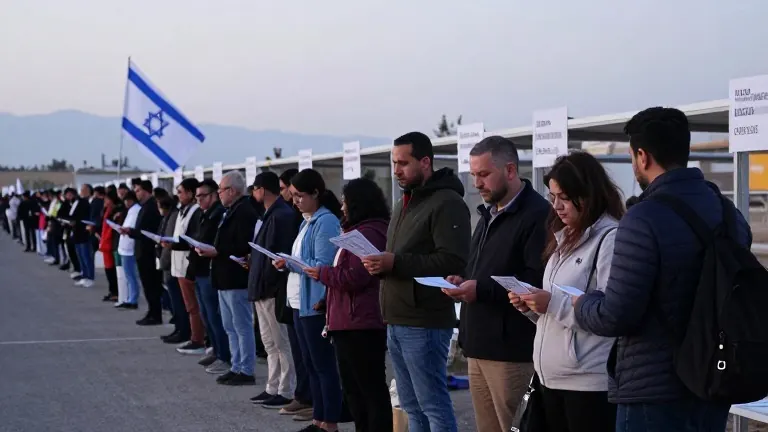
The outcome of Israel's national election is undecided as of this morning.
Voters turned out in record numbers to decide whether to keep Prime Minister Benjamin Netanyahu in office or replace him. The race remains tight between Netanyahu and his top rival, Gadi Eisenkot. Eisenkot is a center-right politician and former military chief of staff. Election officials expect to finish counting the final votes by tomorrow afternoon.
The situation shifted dramatically overnight. Israelis went to bed believing Eisenkot held the advantage. By morning, Netanyahu had pulled ahead. This rapid swing has made the election too close to call. Both candidates currently lack a clear path to a majority coalition in parliament.
The next steps depend on forming a governing body. The leading candidate will have six weeks to assemble a coalition. This process may take days or weeks to complete. Party leaders will likely compete for support from defectors in each other's camps. Eisenkot might gain the majority of lawmakers' support in parliament. Arab-led parties performed strongly and are eager to see him become prime minister.
However, Eisenkot's camp is hesitant to form a coalition with Arab parties. Mistrust persists among some voters and leaders. This sentiment was fueled by the demonization of Arab political leaders following the attacks on October 7, 2023. Daniel Estrin of NPR notes that neither candidate has an easy route to a stable government.
Meanwhile, other major stories are developing in the news cycle. The Ebola outbreak in the Democratic Republic of Congo has reached a grim milestone. More than 10,000 people have been infected since the outbreak was declared in May. This is the fastest-spreading outbreak in history. It is also the largest in geographic scope, spanning from Nigeria to Kenya. The death toll stands at nearly 5,000. Approximately one-third of those who have died have been children.
In Washington, the Federal Reserve is meeting today. Consumer prices rose 3.7% in September compared to last year. This marks a larger annual increase than the previous month. While prices are rising faster than average wages, investors do not expect a rate hike at today's meeting. The Fed raised interest rates in September. Policymakers are expected to remain low-key ahead of the U.S. midterm election. They may increase rates again in December.
Midterm ad spending in the United States has surpassed a record $11 billion. Candidates in four major Senate races spent more than $15 million on fundraising ads during the 2025-26 election cycle. President Donald Trump has been campaigning in tight races across states including Texas, Mississippi, and Kansas. He has not stuck to his standard midterm pitch of touting GOP tax cuts and attacking Democrats.
NPR's Danielle Kurtzleben reports that Trump's jokes at rallies entertain crowds but distract from key issues. Median voters care about the economy and gas prices. Midterm turnout is usually low, but the GOP base still supports Trump. This suggests many MAGA votes are available. However, Trump needing to rally votes in very red states indicates a potential problem for his party.
Source: NPR