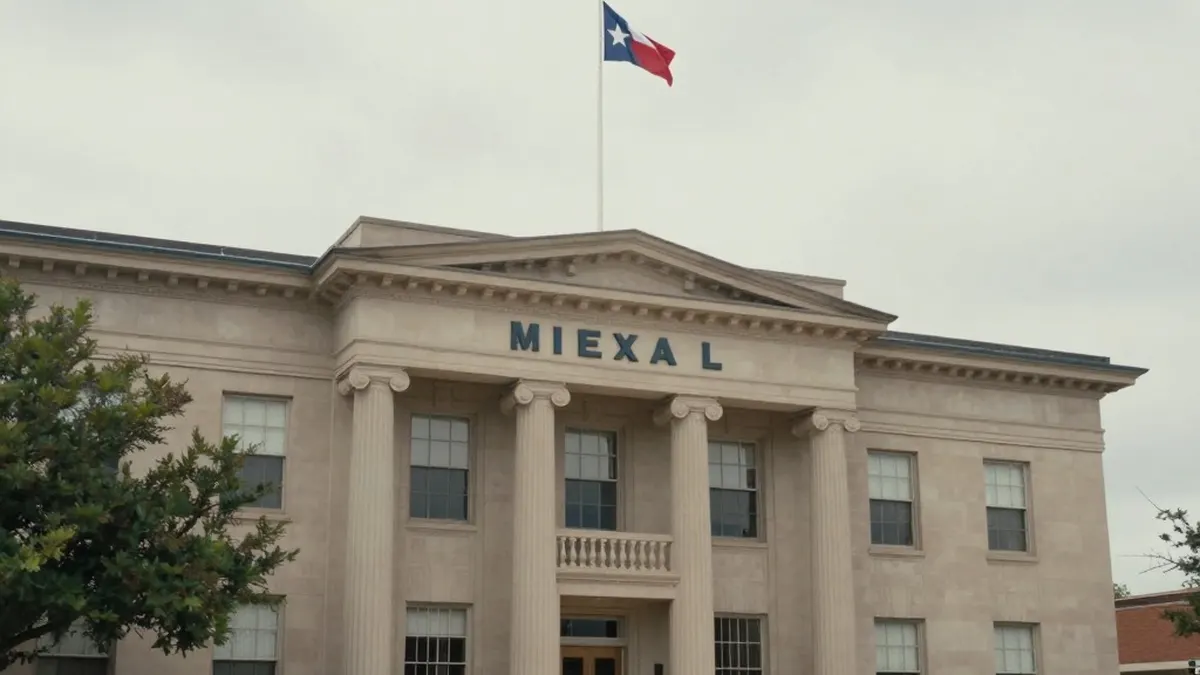
Voters in North Texas district stretch from Dallas to East Texas
New congressional boundaries link urban Garland and rural Gilmer, raising questions about representation and local issues.
By Sergio Ramirez ·
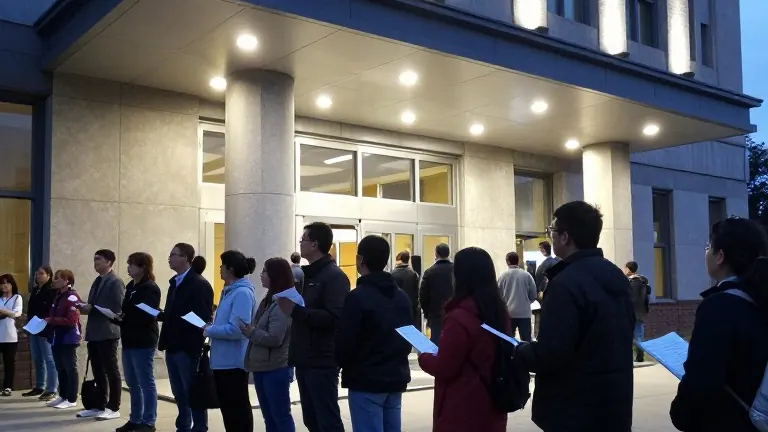
Early voting is currently active for the November midterm elections in Texas. Candidates are making final efforts to contact voters in the state. A new congressional map will determine who represents which areas this year. The map was approved after a legislative dispute last year.
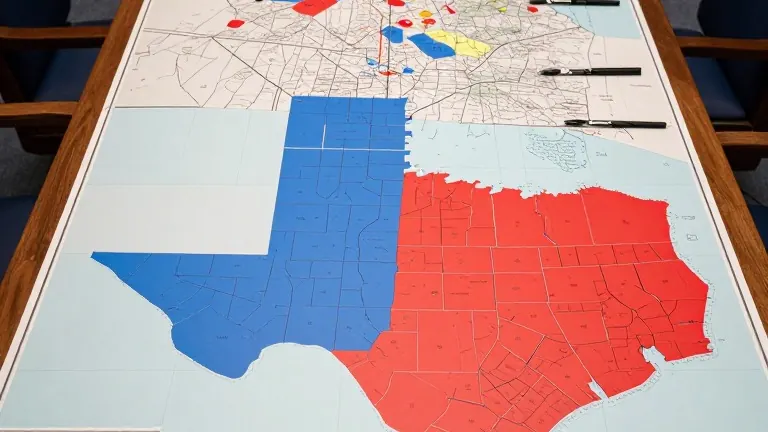
The map includes a redrawn District 32 in North Texas. This district is one of five areas Republicans aimed to shift to their party. Previously, the district was centered in Dallas and its northern suburbs. It held a Democratic majority. Now, the district covers a small part of Dallas County and extends eastward to Upshur County. Polls suggest the district will vote Republican in the upcoming election.
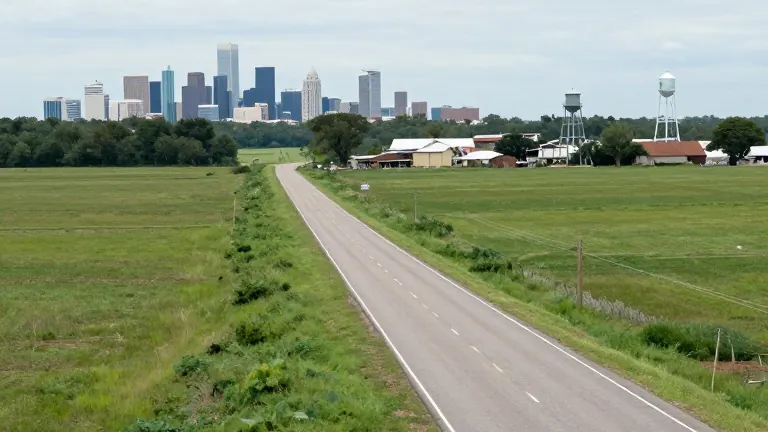
Matthew Wilson, a political science professor at SMU, described the geographic scope of the new district. He noted that driving across the area reveals distinct changes. "As you drive the district, you will get a sense of a demographic and cultural, and to some degree, political shift," Wilson said. The distance between the western and eastern edges of the district is substantial.
Residents in the district have expressed concern over the new boundaries. Rev. Bryant Phelps, senior pastor at Hamilton Park United Methodist Church, said the change affects diverse communities. "People's voices and their choices have been taken away from them," Phelps said. He noted that Black and Asian American voters in the area feel their representation has been reduced. TJ Callaway, a voter in Garland, pointed out the logistical challenges for the district office. The office remains in Richardson, which is two hours from the eastern end of the district in Gilmer.
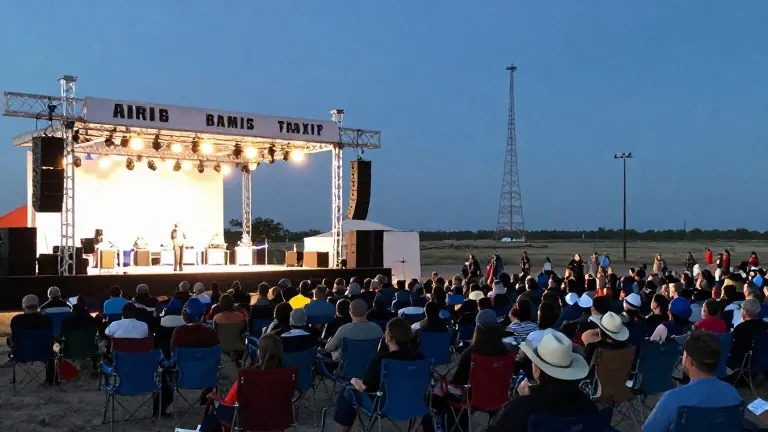
Reporters surveyed voters in Garland, Rockwall, and Gilmer to gauge their opinions. Many residents were unaware that the district boundaries had recently changed. When asked about their primary concerns, most cited the rising cost of living. Charles Robb, a voter in Garland, said, "The price of everything is going up." Suad Bahsoon, also in Garland, mentioned high rent and security as major worries.
In Rockwall, voters focused on local safety. Missy Wadham stated that the community respects and relies on its police department. Another Rockwall voter suggested the town shares more commonalities with East Texas than with Dallas. This view contrasts with the previous district configuration, which grouped Rockwall more closely with the metro area.
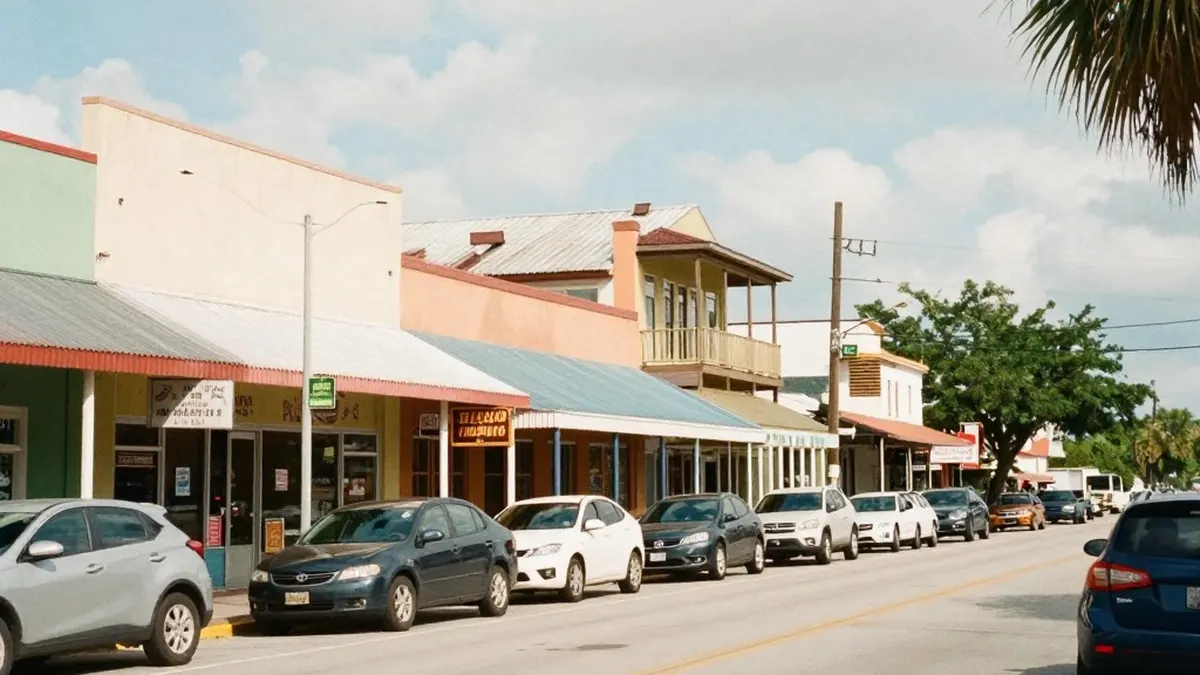
In Gilmer, a town with a population of approximately 5,000, voters identified different priorities. Affordability and conservative values were top concerns. Water rights also emerged as a key issue. Janice East expressed concern about local water supplies. "We want to make sure our water stays here," East said. She mentioned reports of data centers consuming water resources in the region. Justin Farmer noted that many people are moving to Gilmer from larger cities. He said the town welcomes the growth, provided new residents do not seek local political office.
The new district boundaries connect these varied communities under a single representative. The range of issues, from urban rent to rural water rights, spans the district's length. Voters in both ends of the district will cast ballots in November using these new lines. The outcome will determine the party controlling the seat for the next two years.
Source: KTVT · original report published
More Politics · Dallas news · Report a business · Got a Story?