Vance Blames Iran War for Republican Midterm Losses
The Vice President argues that a failure to prioritize inflation and reconsider ties to Israel cost the GOP control of the Senate and House.
By Nathan Brooks ·
Vice President JD Vance cited the war in Iran as the primary cause of the Republican defeat in the November 2026 midterm elections.
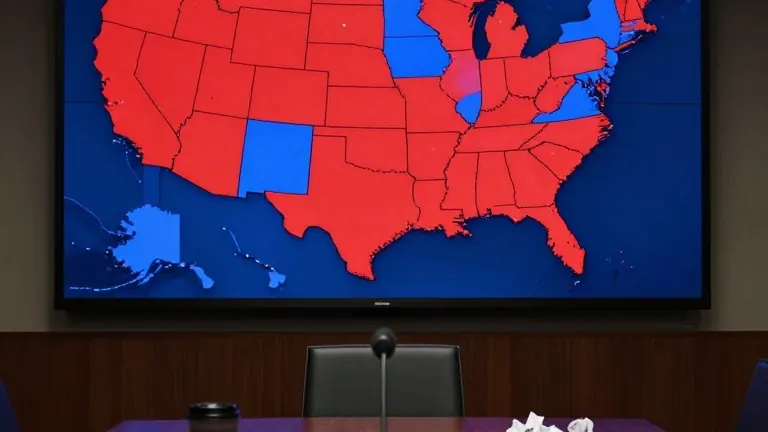
Vance published a lengthy analysis on X on Wednesday, attributing the party's losses to a strategic error in the Middle East rather than voter turnout issues. He noted that data analysts had predicted strong participation among Republicans, but the results contradicted that optimism. The Democratic Party secured 54 seats in the US Senate and 237 seats in the House of Representatives, giving them the power to significantly impede the Trump administration's legislative agenda.
Vance argued that the core problem was not that voters stayed home, but that they switched parties. He cited a pollster who correctly predicted the margin of defeat. That expert found that many voters who supported the Trump and Vance ticket in 2024 were angry and voted for Democrats in 2026. In Florida, the electorate remained nine points more Republican than Democratic, a figure only slightly worse than in 2024. Vance stated that the main issue was the shift in preference among existing Republican voters rather than a failure in mobilization.
The Vice President listed four specific policy demands that would have convinced these defectors to return to the Republican side. Those demands were to end the war, focus on cost of living and inflation, put America first, and change the United States relationship with Israel. Vance claimed these factors accounted for nearly all the negative feedback from voters who abandoned the party. He also referenced a pollster who predicted a 13-point loss on the generic ballot, a margin that shocked even those who felt pessimistic about the race.
President Donald Trump accepted some responsibility for the outcome while distancing himself from his defeated candidates. In a post on X, Trump wrote that he was not on the ballot and that the election would have been a landslide victory for Republicans had he been. In an interview with the Wall Street Journal, he described the Iran conflict as a contributing factor. He said, "Iran was a piece of it." Trump also told Politico that he did not want to spend the next two years merely vetoing legislation, suggesting a willingness to work with the new Congress despite his constitutional limits on seeking a third term.
Vance criticized the Republican establishment for pushing amnesty as a solution to the party's woes. He expressed openness to changing enforcement by focusing on businesses that hire illegal labor, but he labeled the push for amnesty as dishonest. He also noted that critics had attacked Rachel Campos Duffy for calling for a diplomatic resolution to the conflict, though he agreed with her political advice. Vance concluded by urging disappointed voters to channel their anger into electing Republicans who share their worldview in future contests.
The constitutional framework of the conflict remains a point of tension. While the US Constitution grants only Congress the authority to declare war, the last president to seek formal congressional approval for military force was George W. Bush in 2001 and 2002. This historical gap underscores the ongoing debate over executive power in military engagements.