Supreme Court leaves blocked rule in place, barring judges from closing some deportation cases
The justices declined to hear a challenge from cities that defended a Biden-era policy used to help crime victims and minors.
By Adrian Parker ·
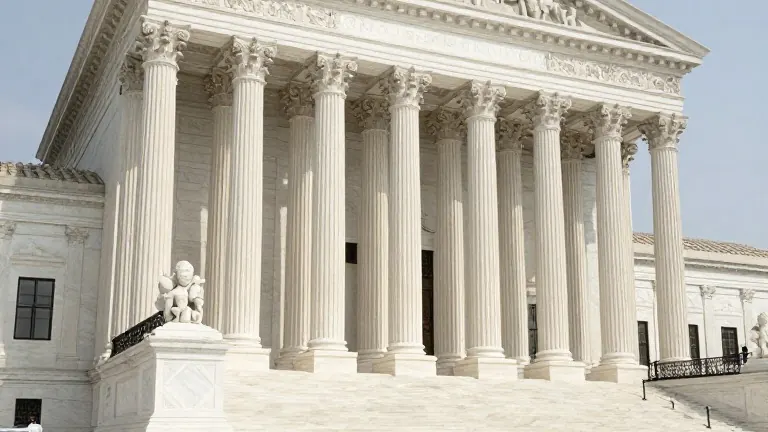
The U.S. Supreme Court declined Tuesday to hear a dispute over a Biden administration rule that let immigration judges administratively close certain deportation proceedings, leaving a lower-court blockage intact. The justices rejected an emergency request filed by Democratic-led cities seeking to revive the policy.
The rule, known as administrative closure, was used to pause cases involving crime victims and unaccompanied minors. Texas sued over the practice, arguing it expanded under former President Joe Biden and allowed people to remain in the country indefinitely. Texas and the Trump administration later agreed to a court order blocking the rule.
The cities of Baltimore, Columbus, Ohio, and New Haven, Connecticut, along with the racial justice law group Centro Legal de la Raza, asked to join the case to defend the policy. A judge declined to let them intervene, and they appealed to the Supreme Court. Represented by Democracy Forward, they argued that Texas and the Trump administration worked together to block the rule through litigation rather than the public rulemaking process. The Justice Department urged the justices to deny the request, saying the cities lacked standing and had not shown immediate legal harm.
The Supreme Court's order was issued Tuesday, Oct. 27, 2026. No further court date in the case was listed.
The case concerns the government's ability to close certain deportation cases. The justices' action leaves the injunction in place, barring immigration judges from administratively closing those proceedings.
Source: KXTX-TV · original report published