
Rogers identifies five causes behind the 30 percent of seniors suffering from dry mouth
A board-certified physician explains how dehydration, nerve damage, and specific medications reduce saliva production in older adults.
By Daphne Turner ·
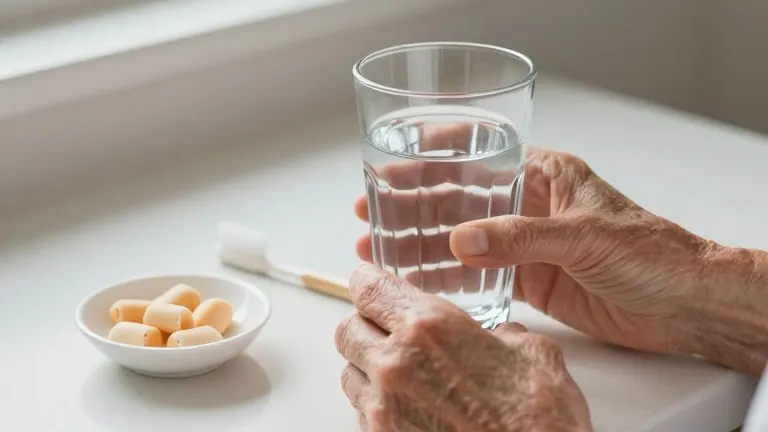
The American Dental Association reports that 30 percent of adults aged 65 and older experience dry mouth, a figure that climbs to 40 percent for those 80 and up. The condition involves the salivary glands failing to produce sufficient fluid, leading to symptoms such as soreness, bad breath, and difficulty wearing dentures.
Dr. Rhea Rogers, a board-certified physician, states that identifying the specific cause is the initial step in treatment. She lists five primary drivers: dehydration, nerve damage, cancer, underlying autoimmune disorders, and certain medications.
"Basically your salivary glands are just not producing enough fluid. And so you want to know why. You know, always find your why," Rogers said. She noted that dehydration directly limits fluid production, while an autoimmune disorder may signal that other health issues are developing.
Rogers emphasized that dry mouth can serve as an early warning sign even in otherwise healthy individuals who are not currently taking medication. In such cases, the symptom may indicate a developing internal condition that requires medical attention.
"Sam" Cradduck, a gerontologist, argues that saliva performs functions beyond keeping the mouth moist. She compares a lack of saliva to driving a car without engine oil, suggesting the system will fail without the lubricant.
According to Cradduck, insufficient saliva makes talking, eating, and chewing difficult. Dr. Rogers added that saliva cleanses the mouth and protects tooth enamel. She warned that dry mouth can alter how dentures fit, leading to discomfort, pain, and increased sores in the mouth.
Cradduck, who manages dry mouth due to her own autoimmune condition, recommends using chewing gum, hard candy, or small drops to stimulate salivation. She currently keeps gum in her mouth and sometimes sleeps with it to maintain moisture levels.
She also advises avoiding alcohol-based mouthwashes because the alcohol content dries the mouth further. Cradduck suggests stopping habits that contribute to dryness, such as smoking and excessive drinking. She mentioned sticky drops placed on the gums and stickers used around the gums by patients who have had salivary glands removed for cancer.
Rogers explained that medical treatments generally work by stimulating underproducing glands or providing external moisture when glands cannot function. She stated that the approach depends on the underlying cause of the reduced saliva flow.
Aging expert Amy O'Rourke recommends that patients ask their dentists about mouth dryness during routine visits. She suggested asking how the mouth is doing and specifically addressing any dryness. Signs of trouble include frequent coughing, recurring infections, or avoiding certain foods. O'Rourke advised patients to reach out to professionals to stay on top of the condition.