Michoacán Island Closes Cemetery to Tourists for First Time
Officials in Janitzio restricted access to the site after heavy visitor traffic damaged graves and structures.
By Daphne Turner ·
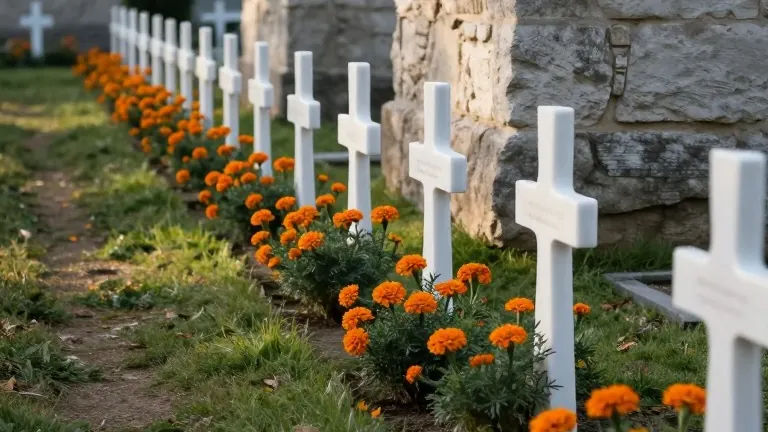
Local authorities in Janitzio, a small island in Michoacán, closed the local cemetery to tourists for the first time this year. The decision followed reports from the community council that excessive visitor numbers had caused structural damage to the site.
The council documented the collapse of damaged graves, crosses, and sections of the cemetery's perimeter wall. Officials stated that the heavy foot traffic associated with the Day of the Dead celebrations contributed to the deterioration. Only immediate family members and friends of the deceased are now permitted to enter the grounds.
Janitzio’s specific Day of the Dead traditions were recognized by the United Nations Educational, Scientific and Cultural Organization as an Intangible Cultural Heritage of Humanity in 2008. The site draws international attention alongside other regions in Mexico, including Oaxaca, which have experienced a sharp rise in tourism.
In Mexico City, residents expressed skepticism regarding the annual parade of float cars decorated with catrinas. The procession was originally created for the 2015 James Bond film Spectre before becoming a fixture in the city’s annual observances. Many locals noted that the event was not part of the historical tradition.
The broader celebration spans from October through November 2 and 3. Families in Mexico traditionally build home altars dedicated to loved ones. They place sweets, food, and mezcal as offerings next to photographs of the deceased. The practice is believed to welcome the spirits of the dead back to earth for a brief reunion with their living relatives.
Historical roots of the holiday trace back to pre-Hispanic agricultural beliefs. Catholic traditions were incorporated into the observances following the Spanish conquest in 1521. Streets and markets across the country are currently adorned with bright orange cempasúchil flowers. Residents believe the vibrant blooms guide the spirits on their return journey.
More Culture · Dallas news · Report a business · Got a Story?