
Dietitian names top plant proteins
Natalie Rizzo identifies walnuts, edamame, and seeds as key sources of anti-inflammatory nutrients.
By Salma Farouk ·
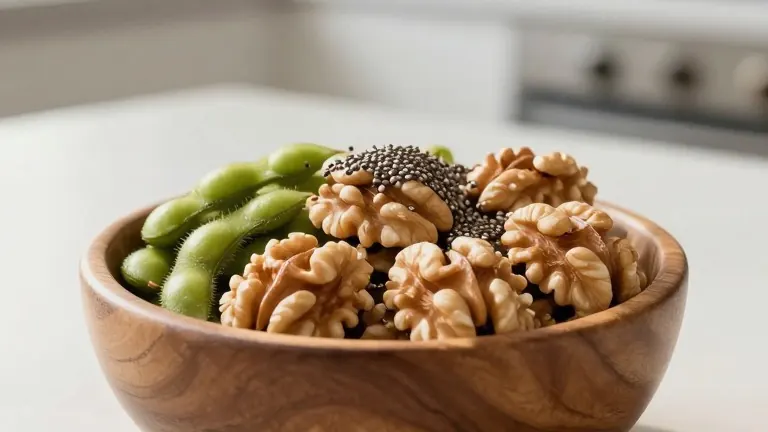
Registered dietitian Natalie Rizzo has identified walnuts, edamame, and specific seeds as the most effective plant-based proteins for reducing chronic inflammation in the body.
Rizzo, a registered dietitian and TODAY nutrition editor, explains that while inflammation is a normal immune response, chronic cases are linked to cardiovascular disease and Type 2 diabetes. She notes that regular consumption of anti-inflammatory foods can reduce or eliminate these chronic conditions. Most plant-based proteins contain a mix of antioxidants, polyphenols, unsaturated fats, and fiber, all of which contribute to lower inflammation.
Walnuts rank at the top of Rizzo’s list. A one-ounce serving contains about 4 grams of protein and 2 grams of fiber. These nuts are rich in antioxidants and alpha-linolenic acid, or ALA, an essential plant-based omega-3 fatty acid. Rizzo states that omega-3 fats help regulate the body’s inflammatory processes. Previous research cited by TODAY.com indicates that eating walnuts supports heart and brain health. Rizzo suggests roasting walnuts with maple syrup and cinnamon for a sweet snack or adding them to oatmeal and salads.
Edamame offers another strong option. A half-cup serving of these immature green soybeans provides 9 grams of protein and 4 grams of fiber. Rizzo highlights that soy is a complete plant protein containing isoflavones, which have antioxidant and potential anti-inflammatory properties. Unlike tofu or soy milk, edamame provides additional gut-healthy fiber. She recommends roasting edamame with savory seasonings for a crispy snack or stirring them into noodles and stir fries.
Seeds provide a final category for boosting heart-healthy unsaturated fats. Chia seeds are among the highest in anti-inflammatory ALAs. A two-tablespoon serving delivers 10 grams of fiber and 5 grams of protein. Rizzo also points to hemp seeds, which are high in ALAs and offer 10 grams of plant-based protein in a three-tablespoon serving. While chia seeds excel in fiber, hemp seeds provide more protein.
Rizzo advises individuals to vary their intake rather than relying on a single compound, as no one food does everything. She suggests using chia seeds in overnight oats or chia seed pudding with fresh fruit. Hemp seeds work well in smoothies or baking. The goal is to incorporate these diverse sources into daily meals to support overall health.
The dietitian emphasizes that these foods help neutralize free radicals and replace pro-inflammatory saturated fats. Fiber from these sources supports beneficial gut bacteria that produce compounds linked to lower inflammation. By rotating between nuts, soy products, and seeds, consumers can address specific nutritional gaps while managing chronic inflammation.
Source: KXAS-TV · original report published