Mexican cattle exports to U.S. remain well below pre border closure levels
USDA data shows a 71.3% drop in feedlot cattle imports for the year, while Comecarne calls for new 2027 quotas before December 31.
By Sergio Ramirez ·
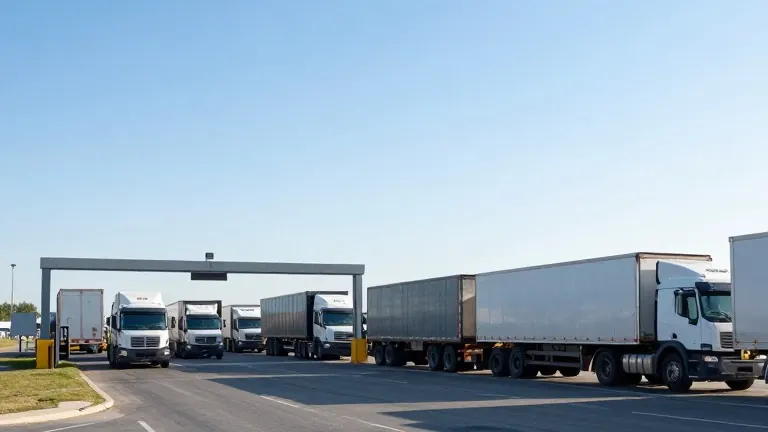
Mexican cattle exports to the United States are recovering slowly following the gradual reopening of border crossings.
According to the U.S. Department of Agriculture, 65,409 Mexican feedlot cattle entered the country between January and October 30, 2026. That figure is down 71.3% from the 228,194 head recorded in the same period last year.
The Mexican Meat Council, or Comecarne, stated this week that only 22,000 head have been exported since trade resumed. That average works out to 364 animals per day over roughly 60 days. Comecarne noted this pace is 76% below the 1,500 daily head benchmark the Mexican government initially projected after the border reopened.
The slowdown follows heightened sanitary inspections for the screwworm fly. The United States reopened the Douglas, Arizona crossing on August 24. Santa Teresa, New Mexico, reopened on September 24, and Columbus, New Mexico, opened on October 26. All three sites operate under reinforced inspection protocols. The Nogales crossing is scheduled to reopen on November 30.
The USDA weekly report published this week indicated that 13,636 feedlot animals entered between October 26 and 30. That number exceeds the 10,647 head reported for the previous week. Mexico's national sanitary agency, Senasica, reported on October 26 that the flow through enabled crossings was close to 3,500 head per day.
Comecarne said the restrictions on live cattle have boosted Mexican meat exports. Beef exports grew 20.1% in volume between January and September, while pork exports increased 15.5% over the same period. The council asked the government to define new import quotas for chicken, pork, and beef for 2027 before the end of the year to secure specific cuts for the industry.
Current quotas for pork and beef are only 50% to 60% utilized, partly due to administrative and transportation delays. Those quotas expire on December 31. Comecarne warned that proteins left outside the quotas could face costs up to 75% higher for chicken and more than 20% for beef and pork, which would raise costs for consumers and affect inflation.
More Business · Dallas news · Business Complaints · Report a business · Got a Story?