Voters Force DeSantis to Act on New Tax Exemption
The governor plans to meet with lawmakers within two months to implement Amendment 3, which raises the homestead exemption to $250,000 by 2028.
By Daphne Turner ·
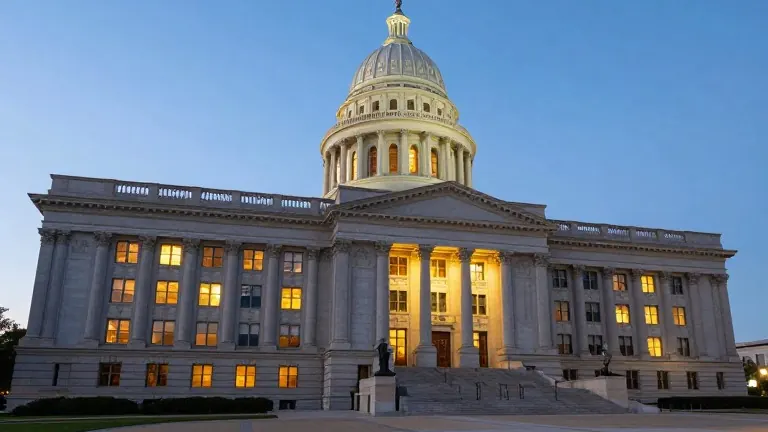
Florida voters approved a major change to property tax law on Tuesday, clearing the path for a special legislative session. Gov. Ron DeSantis announced on Wednesday that he will convene lawmakers within the next two months to enact the measure.
The amendment, which passed with 62 percent of the vote, exceeds the 60 percent threshold required for approval. It increases the homestead property tax exemption from $50,000 to $150,000 in 2027. The exemption will rise again to $250,000 in 2028.
DeSantis stated at a Capitol press conference that the session will occur before his current term concludes in early January. He intends to work with the Legislature to set specific dates. The primary goal is to formalize the new exemption schedule and prevent local governments from offsetting the tax relief through other fees.
"What it’ll do is it’ll set the schedule for further homestead exemption, because we want people to get that," DeSantis said. "But also limiting local governments from just doing an end run around the amendment and taxing them in other ways."
The governor also hinted at future changes to the Florida Education Finance Program, the state formula for funding K-12 schools. Although the Legislature excluded school districts from the new exemption this year, DeSantis suggested lawmakers could rewrite the funding formula next year. He noted that district enrollment has fallen due to lower birth rates and the growth of school voucher programs, which has led to budget cuts.
Governor-elect Byron Donalds, who takes office next year, said he plans to adjust the FEFP to give districts more spending flexibility. "Let the districts figure out how they’re going to pay their teachers, let the districts figure out what programming they’re going to put forward," Donalds said.
Amendment 3 faced opposition from emergency service groups and local officials who feared rural counties would struggle to maintain essential services. DeSantis credited the ballot measure for driving voter turnout, noting that many residents who voted for the tax cut also supported Republican candidates for state cabinet positions.