White House downplays Iran 'dirty bomb' threat
Trump administration calls reported Iranian plan aspirational as experts explain how a radiological device would function in Washington.
By Adrian Parker ·
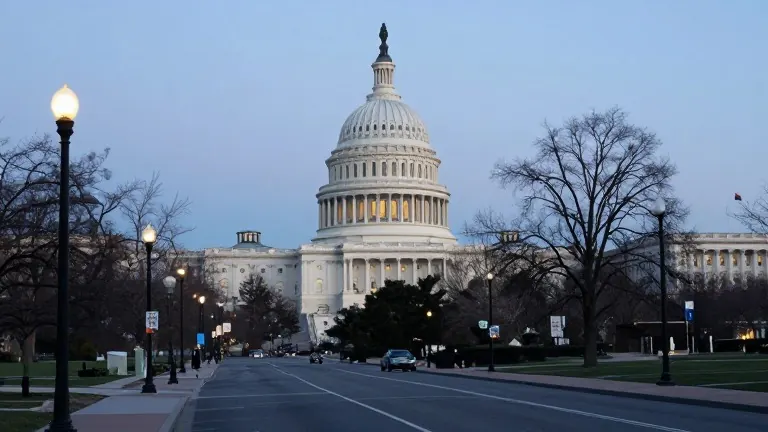
The White House stated on Monday that no credible threat exists regarding reports that Iran plans to use a dirty bomb against officials in Washington, D.C. The administration described the reported plans as aspirational rather than immediate.
Reports first surfaced on CNN, prompting questions for President Donald Trump while he was traveling in Asia. When asked about the threat, Trump said his government was taking it seriously. He added that the perpetrators would pay a price like no country had ever paid.
A dirty bomb is smaller and less dangerous than a nuclear weapon. It contains radioactive material that could spread for miles and cause health issues for people in the area. John Erath, a senior policy director at the Center for Arms Control and Non-Proliferation, said there is a low probability that such an attack will happen.
Erath noted that a dirty bomb would affect many people, not just the intended target. This makes it a risky option for Iran because it would likely trigger U.S. attacks on Iranian targets. He said the probability of successfully hitting a specific goal with such a device is not high.
The Centers for Disease Control and Prevention previously published guidelines for the public to follow after a dirty bomb explosion. People should cover their nose and mouth with a cloth and avoid touching debris. They should move into a closed building as soon as possible and shut all windows and doors, though sealing them is not required.
Individuals should remove contaminated clothing and place it in a sealed bag. They should shower themselves and their pets. People should not eat or drink food or water that has been exposed to radioactive rain. These steps help reduce the amount of radioactive material on the body and in the lungs.
Dr. Shane Kappler, an emergency and critical care physician at MedStar Washington Hospital Center, said D.C. hospitals are prepared for a worst-case scenario. He confirmed that doctors have practiced decontamination procedures in outdoor tents. Kappler advised that parents do not necessarily need to pick up their children from school immediately if they are not nearby.
He explained that the risk is higher from walking around outside than from staying sheltered in a safe location. Exposure to radiation cannot be seen, smelled, felt, or tasted. People may not know they were exposed right away. Later symptoms can include nausea, vomiting, diarrhea, and skin swelling.
Amelia Draper from Storm Team4 noted that prevailing winds in D.C. usually blow from west to east. People located east of an explosion site would generally see greater exposure to radioactive particles. Emergency management experts recommend keeping supplies in cars and homes in case people are stuck for a long time.
Recommended items include water, blankets, and non-perishable food. Officials say keeping these supplies on hand is good practice for any emergency, not just a radiological event. Public safety authorities will communicate next steps to help keep people safe depending on the specific radioactive material in the air.