Stranded at DFW: Travelers Pay for Hotels After FAA Ground Stop
A nationwide flight cancellation left passengers in Dallas County without guaranteed reimbursement for lodging and meals.
By Daphne Turner ·
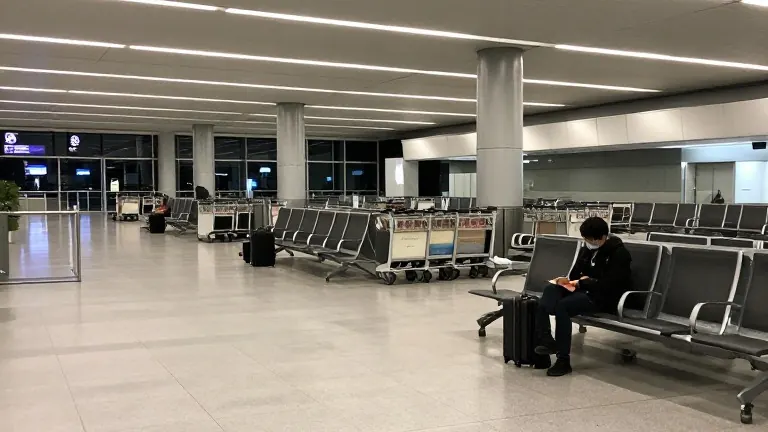
Catherine Anderson spent nearly $1,000 on hotel rooms after the Federal Aviation Administration grounded flights nationwide on Friday. Anderson was traveling from Mexico to Utah when the disruption began. She landed at Dallas Fort Worth International Airport on Saturday but missed her connecting flight. Subsequent American Airlines flights were canceled, forcing her to find lodging on her own. Anderson said she had made six cancellations by Monday.
Anderson told NBC 5 Responds that her family lived in the airport for days. Delta Air Lines provided a hotel room in Mexico for Friday night. She then flew American Airlines to Dallas. By the time later flights were canceled, it was late in the evening. Anderson said customer service lines were hours long. She estimated her hotel costs approached $1,000.
Whether an airline pays for stranded travelers depends on the cause of the delay. When disruptions are outside an airline's control, such as weather or an FAA ground stop, airlines generally are not required to cover extra expenses. Passengers can request assistance, but reimbursement is not guaranteed. Sally French, a travel expert with NerdWallet, said airlines are unlikely to cover hotels for every stranded passenger.
Delta said it provided hotel, meal, and transportation vouchers to eligible customers. The airline did not specify who qualified. A spokesperson directed passengers to Delta's reimbursement website for out-of-pocket requests. Southwest Airlines said it would not cover expenses because the ground stop was outside its control. American Airlines and United Airlines had not responded to inquiries as of Tuesday afternoon.
Travelers with insurance or credit card protections may have other options. French said coverage depends on specific policy terms. Anderson purchased travel insurance and was checking for reimbursement. She confirmed she reached Utah on Tuesday. Anderson hoped the insurance would help cover the costs of her unexpected three-day hotel stay.
Federal rules protect passengers who choose not to travel after a cancellation or significant change. Passengers are entitled to a refund if they do not accept alternative transportation. The reason for the disruption does not affect that right. Refunds must be issued to the original form of payment. Passengers are not required to accept airline credits. Travelers who accept rebooking generally are not entitled to a refund for the transportation used.
For cancellations within an airline's control, such as maintenance problems, airlines may have additional commitments. The Department of Transportation maintains a dashboard showing these commitments. Travelers should document the reasons an airline gives for a disruption. French recommends reviewing travel insurance benefits before leaving home. She also advises packing light with carry-on bags to make changing plans easier.