Leonid meteor shower peaks over Dallas
Skywatchers have a narrow window Tuesday and Wednesday nights to see up to 15 meteors an hour.
By Sergio Ramirez ·
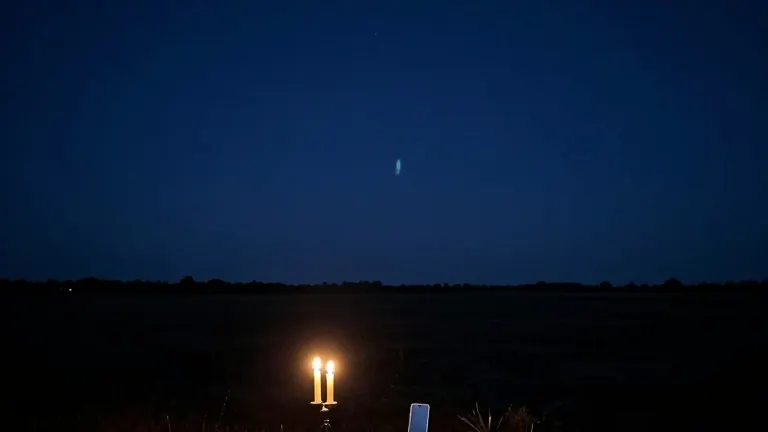
The Leonid meteor shower reaches its peak during the early morning hours of Tuesday, Nov. 17, and Wednesday, Nov. 18, offering a brief window for observation across Dallas County.
NASA says the shower can produce up to 15 meteors per hour under ideal conditions. The cosmic debris originates from comet 55P Tempel-Tuttle, which orbits the sun every 33 years. Earth passes through a dense pocket of this debris roughly every three decades, triggering the display.
Viewers need to find a dark location away from city lights to see the streaks clearly. NASA recommends watching from midnight until dawn. Observers should allow their eyes about 30 minutes to adjust to the darkness before the best viewing period begins.
Photographers with iPhones can capture the event with specific camera adjustments. The phone must remain stationary to avoid blur, so mounting it on a tripod or resting it against a rock is necessary. Users should tap and hold the moon icon on the screen to set Night Mode to its maximum setting. Locking focus on a star prevents the camera from shifting exposure.
Triggering the shutter via a Bluetooth remote, AirPods, or an Apple Watch reduces camera shake compared to tapping the screen. After capturing images, users can edit contrast, saturation, and exposure to improve the results. Advanced shooters may stack multiple frames to blend several meteors into a single photograph.
The Leonids are not the final meteor event of the year. The Geminids occur on Dec. 13 and Dec. 14, followed by the Ursids on Dec. 22 and Dec. 23. Those who miss the current shower have additional opportunities later in the month.