Trump describes new Iran leadership as reasonable but tough negotiators
The US President stated that Tehran's current officials are more moderate yet difficult, while Iranian officials reiterated their desire for a permanent peace deal that keeps enriched uranium within the country.
By News Media House Staff ·
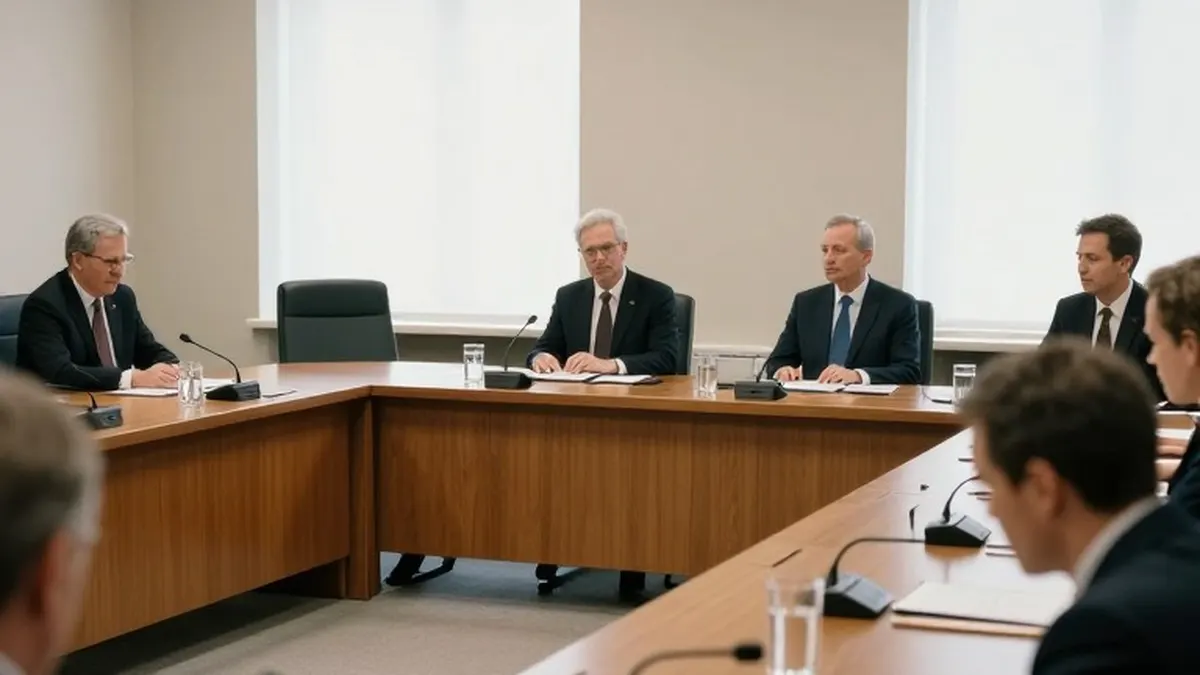
US President Donald Trump offered an assessment of Iran's current political leadership during an interview with Fox News on Saturday afternoon. He characterized the new officials as potentially more moderate than their predecessors, although he noted that they present significant challenges in the negotiation process.
During the broadcast, the President highlighted his determination to secure a lasting nuclear agreement that would prevent Tehran from acquiring nuclear weapons in the long term. He remarked, "These people are probably more reasonable, but they are very, very difficult." He further explained the frustration of previous diplomatic efforts by stating, "We reach an agreement, and then they violate it the next day."
A central focus of Trump's strategy is ensuring that any future deal remains robust and effective regardless of who holds the US presidency in the coming decades. He emphasized that he is working to create a framework that will hold firm even if future administrations are less capable. "What I'm doing is making sure that even if, in four, 15, or 20 years, we have an incompetent president, the agreement I reach will be permanent. I won't let anyone allow them to obtain nuclear weapons," he said.
The President also reflected on the broader context of US-Iran relations, claiming that the United States has effectively replaced Iran's leadership on two previous occasions. He described the current engagement with the third group of leaders as the ultimate form of regime change, signaling a shift in the geopolitical dynamics between the two nations.
These comments align with recent signals of mutual diplomatic interest. On Friday, Reuters reported that Iranian Foreign Minister Abbas Araghchi expressed hope that diplomacy could bring an end to the ongoing conflict with the United States. Araghchi spoke to a state-owned newspaper, indicating that Tehran seeks an agreement that guarantees no further war.
Araghchi stated that Iran requires clear assurances that Washington is serious about the negotiation process before it proceeds further. He noted that Iranian officials have already discussed the form and nature of potential confidence-building measures with mediators. This dialogue suggests a willingness to explore structured diplomatic steps to stabilize the region.
Despite the optimistic tone regarding a potential deal, Iranian officials have maintained firm positions on key technical issues. Araghchi emphasized that a critical red line for Tehran is retaining its enriched uranium within the country. This stance was reinforced by Deputy Foreign Minister Kazem Gharibabadi following talks with a Qatari delegation in Tehran on Saturday.
Gharibabadi told reporters that Iran would not agree to transfer its enriched uranium abroad under any circumstances. He explained the logistical and strategic reasoning behind this position, stating, "If we send these materials abroad, we will have problems to meet our own needs, and this issue is similar to other countries."
The Deputy Foreign Minister added that the negotiations have not yet advanced to the stage of discussing technical details or other specific operational issues. According to Iran's Tasnim News Agency, the current phase of talks remains focused on establishing the broader framework for peace before delving into the complex mechanics of a nuclear agreement.
Originally published by News Media House