Black Sea shipping strikes drive global wheat prices to multi-year high
Drone attacks on commercial vessels in the Black Sea have disrupted 27 percent of global wheat exports and pushed Chicago futures up 20 percent year to date.
By Salma Farouk ·
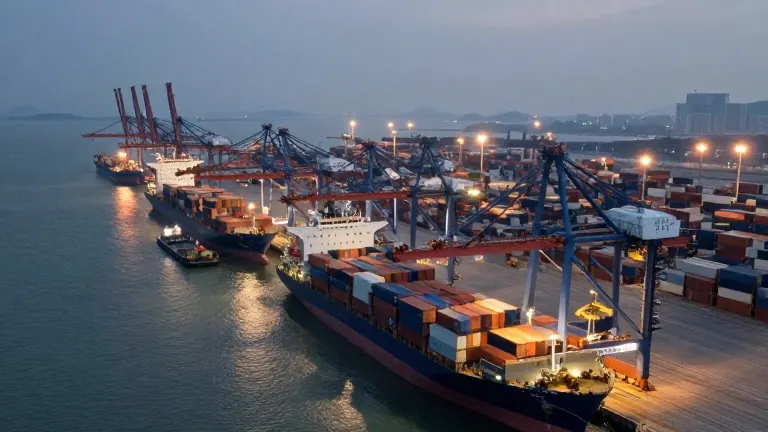
Chicago Mercantile Exchange wheat futures have reached their highest levels since 2023, rising approximately 20 percent in the first nine months of 2026. The price surge follows a series of drone attacks on commercial vessels in the Black Sea that have severed key export routes for the world's top two wheat suppliers.
Russia and Ukraine together account for nearly 27 percent of global wheat exports. Russian strikes have largely halted traffic through Ukraine's Black Sea ports, which previously handled about 90 percent of Ukrainian agricultural exports. Ukrainian grain and vegetable oil represented about 40 percent of the country's total merchandise exports in the first half of 2026.
In October, at least nine commercial vessels were hit by drone attacks off the coasts of Romania and Bulgaria. Both nations are members of NATO. The strikes have prompted concerns within the alliance regarding Russian incursions into their respective territories and whether Article 5 collective defense provisions might be invoked. Most targeted ships carried oil, gas, petroleum products, or food commodities such as wheat and corn.
Maritime security firm Ambrey reported that the monthly rate of attacks associated with the Danube corridor from July to September was 3.7 times higher than in the first half of 2026. Ukrainian ports shifted their logistics in response. The Danube's share of cargo handled at Ukrainian ports increased from about 10 percent between January and June to 74 percent in August. Kyiv now relies on a Danube corridor through Romania, overland routes through Central Europe, and a maritime corridor toward Turkiye.
Ukraine's agriculture minister estimates the country will lose at least $8 billion between June 2026 and June 2027 if ports remain closed. This amount equals 20 percent of Ukraine's total export revenues from the previous year. The disruption coincides with the peak export season for winter wheat, the dominant variety harvested in summer and shipped in late summer and early autumn.
Ukraine has also targeted Russian export infrastructure. Kyiv redirected drones toward Russian grain and vegetable oil facilities this summer. Ukrainian military officials stated that 76 Russian vessels were struck between July 6 and July 11. These strikes disrupted Russian grain export terminals on the Black Sea and Sea of Azov, which had handled nearly a quarter of Russia's wheat exports. Moscow suspended exports through the Don-Azov Canal in mid-July after an attack on a major grain terminal in Taman.
Analysts estimate that Ukrainian strikes have knocked out 70 percent of Russia's grain export capacity. Russian attacks have halted shipments from Odesa, putting nearly 90 percent of Ukrainian grain shipments out of operation. Russia is currently the world's largest wheat exporter, while Ukraine ranks fifth. The combined disruption has forced both nations to divert some exports to Baltic ports and other alternative routes.
The supply chain strain arrives as global harvests shrink due to drought and climate change. The US Department of Agriculture estimates that combined production by the world's seven largest wheat exporting countries will fall 11 percent in the 2026 to 2027 season. This production decline overlaps with the logistical disruption caused by the conflict.
The situation creates a dual threat to global food security. Production capacity is falling while the ability to deliver grain to importing markets is compromised. Transport costs are rising, and the expense of securing shipments is increasing. Arab and African countries that depend heavily on imported grain face higher prices and rising import bills. Strategic reserves in these regions are being depleted as the disruption in Black Sea shipping continues.
The conflict in the Black Sea is adding to existing inflationary pressures. Energy supply disruptions in Gulf waters are already driving up costs. The decline in food supplies from the Black Sea introduces a second source of price pressure. Global markets are now absorbing the financial impact of reduced wheat availability alongside rising shipping insurance and freight rates.
More Business · World news · Business Complaints · Report a business · Got a Story?