Alcor Life Extension Foundation Stores 300+ Members in Liquid Nitrogen
The Scottsdale, Arizona nonprofit charges up to $220,000 for whole-body preservation, betting on future medical advances to repair frozen tissues.
By Sergio Ramirez ·
Alcor Life Extension Foundation faces a core financial and scientific dilemma: it charges members large sums to freeze their bodies, yet its leadership admits the technology may never successfully revive them. The Scottsdale, Arizona-based nonprofit has operated since the 1970s, preserving humans and pets at subfreezing temperatures in anticipation of future medical breakthroughs.
The primary service is whole-body preservation, which costs approximately $220,000. An alternative option, known as neuro preservation, stores only the head for between $80,000 and $90,000. Alcor CEO James Arrowood stated that the company uses a chemical process called vitrification to keep cells intact. This method employs a solution called M22, which acts as a biological antifreeze to prevent ice crystals from forming inside the tissue.
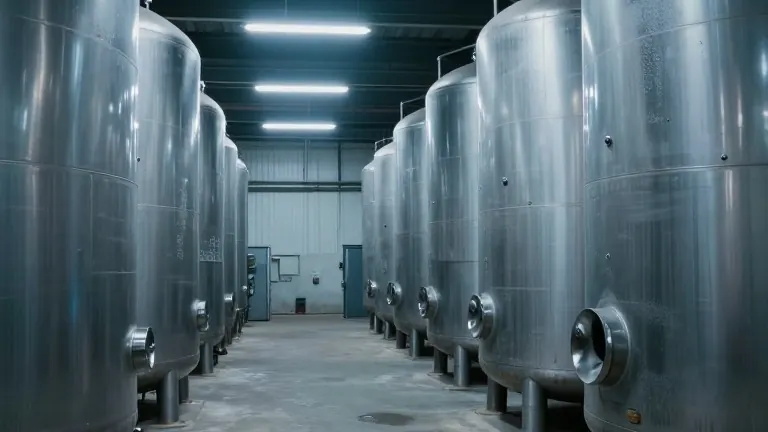
When a member dies, a specialized rapid response team called DART begins cooling the body as soon as legally possible. The DART unit includes medically trained personnel, including former military members. Alcor staff then replace blood with preservation solutions and lower the temperature over about one week. The final product is stored in a dewar, a vacuum-insulated container holding liquid nitrogen at roughly minus 320 degrees Fahrenheit.
Skepticism remains high among medical experts. Dr. Arthur Caplan, a bioethicist at NYU Grossman School of Medicine, described the expectation of future revival as preposterous. He noted that science has not yet solved the chemical balance required for preservation or the neurological challenges of reconnecting a brain to a new body. Caplan did, however, agree that the preservation techniques could eventually aid in organ banking and heart repair.
Arrowood acknowledged the uncertainty of the venture. He stated that he does not know if the process will ever work and is comfortable with the possibility that it may not for him. He compared the gamble to early heart transplants, where the first recipients died within weeks but paved the way for future procedures. Alcor members, including author Rick Lemler, view the cost as a wager on possibility rather than certainty.
The organization has a history of legal disputes and regulatory calls dating back 30 to 40 years. Arrowood said recent conflicts often involve logistics and the life insurance policies used to fund the preservation costs. Inside the facility, photos of members line the walls, including a two-year-old girl from Thailand who died of brain cancer. When a new member like Lemler passes, his photo will be added to the collection.
More Business · Business Complaints · Report a business · Got a Story?